What Are Triceps?
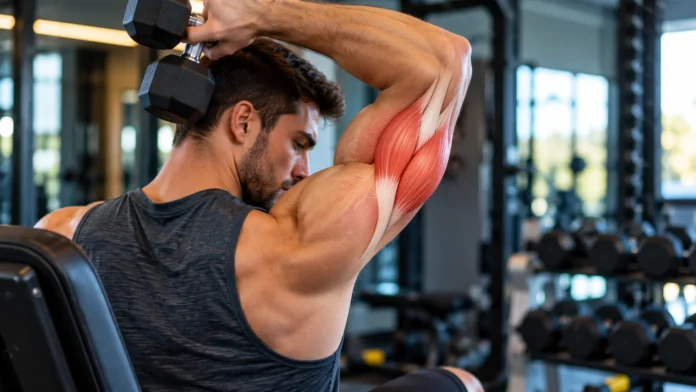
The triceps are a group of muscles located on the back of each upper arm. Their full name is the triceps brachii, which means “three-headed muscle of the arm.” These muscles play a major role in straightening the elbow and help with many everyday movements, from pushing a door to lifting an object overhead.
Each triceps muscle has three heads: the long head, lateral head, and medial head. These sections work together, although their positions and attachments differ. The three heads eventually join into a common tendon that attaches near the elbow, allowing the muscle group to help extend the forearm.
Strong triceps are important for both everyday movement and strength training. They contribute to pushing exercises such as push-ups, bench presses, and overhead presses. Understanding where the triceps are located and how they function can make exercise selection, technique, and upper-arm training easier to understand.
Where Are the Triceps Located?
The triceps sit along the back of the upper arm, opposite the biceps. They extend from areas around the shoulder and upper arm down toward the elbow. When you look at the back of the upper arm, much of the visible muscle mass in this region comes from the triceps.
The long head begins near the shoulder blade, while the lateral and medial heads attach to different areas of the upper arm bone. All three heads travel downward toward the elbow. Their arrangement allows the muscle group to contribute to elbow extension while the long head also participates in movements involving the shoulder.
The triceps occupy a large portion of the upper arm and can significantly influence arm size and shape. Although the biceps often receive more attention in fitness discussions, the triceps actually make up a substantial part of upper-arm muscle mass. Training them can therefore have a noticeable effect on overall arm development.
The Three Heads of the Triceps
The long head is the only triceps head that crosses both the shoulder and elbow joints. Because of this position, it can contribute to movements involving the shoulder as well as elbow extension. Exercises that place the arm overhead can emphasize the long head because of its position relative to the shoulder.
The lateral head sits toward the outer portion of the upper arm and contributes strongly during elbow extension. It is often associated with the horseshoe-shaped appearance that developed triceps can have. Movements involving resistance against elbow straightening can engage this head along with the other parts of the muscle.
The medial head lies deeper and is positioned closer to the inner side of the upper arm. It contributes to elbow extension and remains active during many movements, including those performed with lighter resistance. Although it is less visible than the lateral head, it plays an important role in overall triceps function and strength.
What Do the Triceps Do?
The primary function of the triceps is elbow extension. This means the muscle group helps straighten the arm at the elbow joint. Whenever you push something away from your body or straighten your arm against resistance, the triceps can become actively involved in the movement.
The triceps also contribute to certain shoulder movements through the long head. Because the long head crosses the shoulder joint, it can assist with bringing the upper arm backward and stabilizing the shoulder. Its role becomes especially relevant during exercises where the arm moves overhead or behind the body.
Triceps activity is not limited to gym exercises. You use these muscles when pushing yourself up from a chair, closing a heavy door, reaching overhead, throwing certain objects, and supporting your body during some movements. Their function makes them important for strength, coordination, and everyday upper-body activity.
Why Are Strong Triceps Important?
Strong triceps can improve performance in activities that require pushing or elbow extension. Athletes may rely on them during throwing, swimming, combat sports, gymnastics, and various strength-based activities. Better triceps strength can also help support efficient movement during compound upper-body exercises.
The triceps also contribute to overall upper-arm strength and muscle development. Building them can make the arms appear fuller because the triceps account for a large portion of the upper arm. Balanced development between the triceps, biceps, shoulders, and forearms can contribute to more complete upper-body strength.
Triceps strength may also support everyday tasks that involve pushing, lifting, or stabilizing the arms. Strong muscles can make certain movements feel easier when resistance is appropriate, and technique is sound. However, strength development takes consistent training, adequate recovery, and gradual progression rather than relying on very heavy resistance too quickly.
Best Exercises for the Triceps
Push-ups are a simple bodyweight exercise that can involve the triceps along with the chest and shoulders. Keeping the elbows reasonably close to the body can increase the contribution from the triceps. Proper alignment and controlled movement are more important than rushing through a high number of repetitions.
Triceps pushdowns are another popular exercise that uses a cable machine and allows resistance to be adjusted. The movement involves pressing the handle downward while keeping the upper arms relatively stable. Controlled repetitions can help maintain tension through the triceps without relying heavily on swinging or momentum.
Overhead triceps extensions can emphasize the long head because the arms are positioned above the head. This exercise can be performed with a dumbbell, cable, or other suitable resistance. Keeping the movement controlled and avoiding excessive elbow flare can make the exercise more comfortable and easier to perform consistently.
How to Train All Three Triceps Heads
It is not possible to completely isolate one triceps head during ordinary resistance exercises because the three heads work together during elbow extension. However, changing shoulder position, grip, resistance direction, and exercise selection can alter how different portions of the muscle are challenged.
Overhead movements place the long head in a lengthened position and can be useful within a balanced training routine. Pressing and extension movements performed with the arms closer to the sides can also challenge the lateral and medial heads. Using different exercises across your routine can help train the muscle group through varied positions.
You do not need a large number of exercises to train your triceps effectively. A few well-performed movements can be enough when resistance, repetitions, technique, and recovery are appropriate. Instead of constantly changing exercises, focus on gradually improving performance while maintaining controlled movement and comfortable joint positioning.
Triceps and Compound Exercises
Many compound exercises train the triceps without being specifically designed as triceps movements. Bench presses, overhead presses, push-ups, and dips all require elbow extension and therefore involve the triceps. These exercises also train other major upper-body muscles, making them efficient choices for broader strength development.
The amount of triceps involvement can change depending on technique and exercise setup. For example, different pressing angles and hand positions can shift the contribution among the chest, shoulders, and triceps. This does not mean one variation completely isolates a muscle; compound movements typically involve several muscle groups working together.
If your main goal is stronger arms, compound exercises can form the foundation of your training. Direct triceps exercises can then add focused work after larger movements. This approach can help manage training volume while still giving the triceps enough resistance to support strength and muscle growth.
How to Build Bigger Triceps
Building larger triceps generally requires consistent resistance training combined with appropriate nutrition and recovery. The muscles adapt when they are challenged with sufficient resistance and then given time to recover. Gradually increasing training difficulty can encourage continued adaptation over time.
Different repetition ranges can work for muscle development when the resistance is appropriat,e and sets are performed with good technique. You can use exercises such as pushdowns, overhead extensions, close-grip pressing movements, and other suitable variations. The important factor is consistent training rather than relying on one specific exercise.
Recovery is also essential for muscle growth. Sleep, adequate food intake, hydration, and rest between demanding sessions all support the body’s ability to recover from training. Training the triceps intensely every day is unlikely to be more effective than a structured routine that allows the muscles enough time to adapt.
How Often Should You Train Triceps?
The ideal training frequency depends on your overall workout routine, experience, recovery ability, and goals. Many people train their triceps indirectly through pressing exercises and then add direct triceps work during one or more weekly sessions. Total training volume matters because compound exercises already contribute to triceps workload.
Beginners generally benefit from learning proper movement patterns before adding large amounts of direct arm training. Starting with manageable resistance and focusing on technique can help build a foundation. As strength and experience improve, training volume can be adjusted according to progress and recovery.
Signs that your routine may need adjustment include persistent soreness, declining performance, unusual joint discomfort, or difficulty recovering between sessions. Muscle fatigue after training can be normal, but sharp pain or persistent discomfort is different. Rest and professional guidance may be appropriate when symptoms do not settle.
Common Triceps Training Mistakes
Using excessive weight is a common mistake during triceps exercises. When resistance is too heavy, people may swing the body, move the shoulders excessively, or shorten the range of motion. These compensations can make the exercise less controlled and may place unnecessary stress on the elbows or shoulders.
Another mistake is moving only through a partial range without a specific reason. Controlled movement through a comfortable range can help the triceps work effectively. However, forcing an unusually deep stretch or locking the elbows aggressively is not necessary for building stronger muscles.
Training volume can also become excessive when people add direct triceps work on top of several pressing exercises. The triceps may already receive considerable stimulation from chest and shoulder workouts. A balanced program considers total workload rather than treating each exercise as completely separate from the others.
Triceps vs. Biceps
The triceps and biceps sit on opposite sides of the upper arm and perform different primary actions. The biceps are located toward the front of the upper arm, and help bend the elbow, while the triceps sit toward the back and help straighten it. Together, they contribute to balanced elbow movement.
Biceps exercises often involve pulling or curling movements, while triceps exercises commonly involve pushing or extending movements. Examples include biceps curls for the front of the arm and triceps pushdowns for the back. Both muscle groups can be trained within the same overall strength program.
Balanced arm training can support strength, movement quality, and muscular development. Focusing exclusively on one side of the upper arm may leave other muscles undertrained. Combining pushing, pulling, pressing, curling, and extension exercises can help build a more balanced upper-body routine.
Can You Train Triceps at Home?
Yes, you can train your triceps at home with bodyweight exercises and simple equipment. Push-ups, close-grip push-ups, overhead extensions with a dumbbell, and resistance-band exercises can all challenge the triceps. The best choice depends on your available equipment, experience, and ability to perform the movement safely.
Resistance bands can be useful because their tension changes as they stretch. Dumbbells can allow more precise adjustments in resistance and can support several different triceps exercises. Even without equipment, controlled bodyweight movements can make triceps training challenging when performed with appropriate technique.
Home training still benefits from gradual progression. You can increase resistance, repetitions, sets, movement control, or exercise difficulty as your strength improves. Avoid increasing several variables at once, particularly if you are new to resistance training, because a gradual approach can make recovery and technique easier to manage.
How to Keep Your Triceps Healthy
Good technique is one of the simplest ways to support comfortable triceps training. Keep movements controlled, use resistance that matches your current ability, and avoid forcing painful positions. Your elbows and shoulders should feel stable rather than subjected to sudden or uncontrolled loading.
Warm-up activities can help prepare your body for resistance training. Light arm movements, shoulder mobility exercises, and several easier repetitions before heavier sets can help you transition into the workout. A warm-up does not need to be lengthy, but it should match the activity you are about to perform.
Recovery also matters for healthy training. Give heavily worked muscles enough time between demanding sessions and pay attention to persistent pain rather than treating it as ordinary training soreness. If you develop sharp elbow pain, significant swelling, weakness, or symptoms that continue despite rest, consider speaking with a qualified healthcare professional.
Triceps Injuries and Warning Signs
Like other muscles and tendons, the triceps can become strained or irritated. This may happen after sudden force, excessive training volume, heavy lifting, or an unexpected movement. Symptoms can include localized pain, tenderness, swelling, weakness, or discomfort when straightening the elbow against resistance.
A sudden injury accompanied by a popping sensation, significant swelling, bruising, or noticeable loss of strength deserves prompt medical assessment. A more serious tendon injury can affect the ability to extend the elbow normally. Trying to continue heavy training despite significant symptoms may make recovery more difficult.
Mild post-workout soreness is different from an injury. Normal muscle soreness generally develops after unfamiliar or demanding exercise and gradually improves. Sharp pain during a movement, persistent joint discomfort, substantial weakness, or worsening symptoms should not be treated as ordinary training soreness.
How Long Does It Take to Build Triceps?
Triceps development takes time because muscle growth depends on consistent resistance training, adequate recovery, nutrition, and individual factors. Some beginners may notice strength improvements relatively quickly as their nervous system becomes more accustomed to the movements. Visible changes generally require more consistent training over a longer period.
Genetics, age, training experience, nutrition, sleep, and overall activity can influence how quickly your arms change. Two people following similar routines may experience different rates of progress. Comparing your results with someone else’s can therefore be misleading, especially when their training history and physical characteristics differ.
A better approach is to track your own progress. Improvements in resistance, repetitions, exercise control, and overall performance can indicate that your training is working even before major visual changes occur. Taking occasional measurements or progress photos can also help you notice gradual changes that are difficult to see from day to day.
Conclusion
The triceps are the three-headed muscle group located along the back of the upper arm. The long, lateral, and medial heads work together primarily to extend the elbow, while the long head also contributes to certain shoulder movements. These muscles are involved in both everyday pushing actions and many popular strength exercises.
Effective triceps training does not require endless exercises or extremely heavy resistance. Push-ups, pressing movements, pushdowns, overhead extensions, and other suitable exercises can strengthen the muscle when performed with controlled technique and appropriate resistance. Gradual progression, balanced upper-body training, nutrition, and recovery all contribute to long-term development.
Understanding triceps anatomy can make your workouts more purposeful and easier to structure. Focus on comfortable movement, consistent training, and gradual improvements instead of rushing toward heavier weights. If you experience significant pain, sudden weakness, swelling, or an injury that affects elbow movement, seek appropriate medical guidance before returning to demanding exercise.
FAQs
What are triceps?
The triceps, or triceps brachii, are three-headed muscles located at the back of the upper arms. Their primary function is extending the elbow, helping straighten the forearm during pushing and other upper-body movements.
What are the three heads of the triceps?
The triceps have a long head, lateral head, and medial head. All three contribute to elbow extension, while the long head also crosses the shoulder joint and participates in certain shoulder movements.
What is the best exercise for triceps?
There is no single best exercise for everyone. Push-ups, triceps pushdowns, overhead extensions, and pressing movements can all train the triceps effectively when resistance, technique, range of motion, and progression are appropriate.
Can you build triceps without weights?
Yes. Bodyweight movements such as push-ups and close-grip push-ups can challenge the triceps. Resistance bands can also add adjustable tension, allowing home workouts to become progressively more challenging.
How often should I train my triceps?
Training frequency depends on your experience and total upper-body workload. Because pressing exercises already involve the triceps, many people can make progress with direct triceps work included in a balanced routine several times across a training week.