Hong Kong is one of Asia’s most exciting travel destinations, offering an incredible combination of modern skyscrapers, traditional temples, beautiful islands, and unforgettable cultural experiences. This vibrant city is famous for its spectacular skyline, lively street markets, delicious local food, and impressive natural landscapes. Whether you enjoy sightseeing, shopping, outdoor adventures, or discovering local traditions, Hong Kong provides countless opportunities for a memorable vacation.
Planning a trip to Hong Kong can feel overwhelming because there are so many fascinating attractions spread across its different districts and islands. From the breathtaking views at Victoria Peak to the peaceful surroundings of Lantau Island, every destination offers something unique. Visitors can explore historic neighborhoods, enjoy scenic ferry rides, discover beautiful beaches, and experience the city’s remarkable cultural diversity.
This Hong Kong travel guide explores the best things to do and see, helping you organize a memorable trip. You will discover famous landmarks, hidden attractions, cultural experiences, and practical travel tips for exploring the city. Whether you are visiting Hong Kong for a short getaway or an extended vacation, these destinations provide excellent opportunities to experience its distinctive character.
Visit Victoria Peak for Spectacular Skyline Views
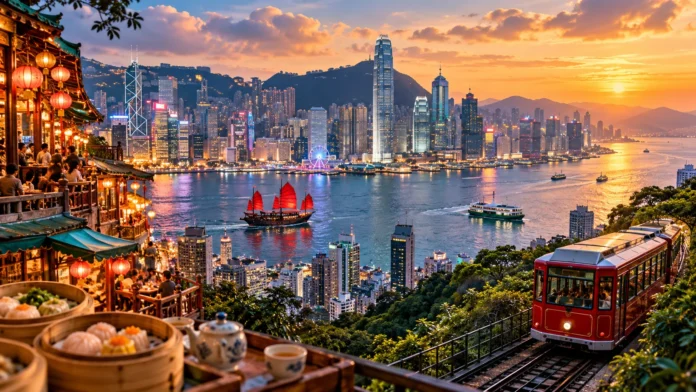
Victoria Peak is one of the most famous attractions in Hong Kong, offering breathtaking panoramic views of the city’s remarkable skyline. Located above the busy urban districts of Hong Kong Island, this popular destination provides impressive views of Victoria Harbour, surrounding mountains, and towering skyscrapers. It is particularly appealing to travelers interested in photography and scenic sightseeing.
One of the best ways to reach Victoria Peak is by riding the historic Peak Tram, which travels uphill through attractive urban and hillside scenery. Visitors can explore viewing areas near the Peak Tower and enjoy the surrounding landscape. The Sky Terrace 428 offers an elevated observation experience, while nearby walking routes provide additional opportunities to admire the skyline.
Victoria Peak is especially beautiful during sunset when the city begins to glow with evening lights. However, weather conditions can affect visibility, particularly when clouds or mist cover the surrounding hills. Visiting on a clear day and allowing enough time to explore the viewpoints can make this iconic Hong Kong attraction even more memorable.
Explore Victoria Harbour and Ride the Star Ferry
Victoria Harbour is one of Hong Kong’s most recognizable landmarks, separating Hong Kong Island from the Kowloon Peninsula. Its waterfront scenery features impressive skyscrapers, historic ferry routes, and beautiful views across the water. Visitors can experience the harbor from waterfront promenades, observation areas, and traditional passenger ferries that connect different parts of the city.
The Star Ferry is among the most memorable and affordable sightseeing experiences in Hong Kong. These distinctive ferries travel across Victoria Harbour, providing excellent opportunities to appreciate the surrounding skyline from the water. The journey between Central and Tsim Sha Tsui is especially popular because passengers can enjoy remarkable views of both waterfront districts.
Another popular experience is watching A Symphony of Lights, a multimedia presentation involving buildings around Victoria Harbour. The waterfront becomes particularly attractive after dark as illuminated skyscrapers reflect across the water. Travelers should check the current presentation schedule and weather conditions before arranging an evening visit to this famous Hong Kong destination.
Discover the Big Buddha and Ngong Ping Village
The Tian Tan Buddha, commonly known as the Big Buddha, is one of Hong Kong’s most impressive cultural landmarks. Located on Lantau Island, this enormous bronze statue sits above the surrounding mountain landscape near Po Lin Monastery. The peaceful setting attracts visitors interested in religious heritage, traditional architecture, and beautiful natural scenery.
One of the most scenic ways to reach the area is by taking the Ngong Ping 360 cable car from Tung Chung. The journey offers spectacular views of Lantau Island, surrounding hills, and coastal landscapes. After arriving at Ngong Ping Village, visitors can explore nearby attractions, browse local shops, and continue toward the famous Buddha statue.
Reaching the statue’s upper platform involves climbing a substantial staircase, so comfortable footwear is recommended. Visitors can also explore Po Lin Monastery and appreciate its architectural details and cultural importance. Respectful behavior, appropriate clothing, and awareness of religious customs help ensure a pleasant visit to this significant spiritual destination.
Explore Tai O Fishing Village on Lantau Island
Tai O is a traditional fishing village located on the western side of Lantau Island, offering a different experience from Hong Kong’s busy urban districts. The village is famous for its distinctive stilt houses, narrow waterways, and long fishing heritage. Visitors can explore its quiet streets while discovering aspects of Hong Kong’s traditional coastal lifestyle.
Walking through Tai O provides opportunities to observe historic buildings, local markets, and waterfront scenery. Small shops sell traditional snacks and regional food specialties, while surrounding waterways create attractive photography opportunities. The village’s unique architecture reflects its relationship with the sea and the practical needs of earlier fishing communities.
Tai O can be combined with a visit to the Big Buddha and Ngong Ping area for a varied day on Lantau Island. Local buses provide transportation between several island destinations, although journey times depend on traffic and schedules. Travelers looking for authentic cultural experiences will appreciate Tai O’s distinctive atmosphere and slower pace.
Experience Temple Street Night Market and Kowloon
Temple Street Night Market is one of Hong Kong’s most recognizable shopping and cultural attractions. Located in the Yau Ma Tei and Jordan area of Kowloon, this lively destination is known for its street stalls, colorful surroundings, and local dining experiences. Visitors can explore souvenir displays, accessories, and traditional market goods while enjoying the neighborhood atmosphere.
The surrounding streets are equally interesting because they reflect everyday life in one of Hong Kong’s busiest urban areas. Travelers can discover local eateries, traditional businesses, and distinctive street scenes. Nearby neighborhoods such as Mong Kok offer additional shopping opportunities, including the popular Ladies’ Market and other specialized commercial streets.
Exploring Kowloon after dark provides a memorable introduction to Hong Kong’s energetic city culture. Bright signs, busy streets, and welcoming food stalls create a vibrant atmosphere for sightseeing. Visitors should remain aware of their belongings in crowded areas and compare prices before purchasing items from market vendors.
Explore Central and Sheung Wan Neighborhoods
Central is one of Hong Kong’s most fascinating districts, combining modern skyscrapers, historic landmarks, and lively shopping streets. The neighborhood is known for its distinctive architecture and convenient transportation connections. Visitors can explore traditional streets, impressive public spaces, and interesting cultural attractions while experiencing the contrast between historic and contemporary Hong Kong.
One of the area’s recognizable features is the Central–Mid-Levels Escalator system, which connects different sections of the hillside neighborhood. Travelers can explore nearby streets filled with cafés, independent shops, and distinctive architecture. Historic attractions such as Tai Kwun provide additional opportunities to discover Hong Kong’s heritage through exhibitions and preserved buildings.
Neighboring Sheung Wan offers another interesting perspective on the city through its traditional shops, markets, and cultural landmarks. Visitors can discover Man Mo Temple and explore streets known for traditional businesses and local specialties. Combining Central and Sheung Wan creates an enjoyable walking itinerary filled with architecture, history, shopping, and cultural experiences.
Discover Hong Kong’s Museums and Cultural Attractions
Hong Kong offers an impressive selection of museums and cultural institutions that introduce visitors to its history, art, and creative traditions. These attractions provide enjoyable alternatives to outdoor sightseeing, especially during rainy or particularly hot weather. Travelers interested in education and cultural exploration can discover exhibitions covering historical developments, contemporary creativity, and regional heritage.
The West Kowloon Cultural District is among the city’s most important cultural destinations, featuring modern architecture, public spaces, and waterfront views. M+ showcases visual culture, while the Hong Kong Palace Museum presents exhibitions connected to Chinese art and cultural heritage. Visitors can explore these institutions while appreciating the surrounding harbor landscape.
Other cultural destinations include the Hong Kong Museum of Art and various heritage attractions throughout the city. Museum exhibitions and opening arrangements may change, making advance planning helpful for travelers interested in particular collections. Combining museum visits with nearby neighborhoods allows visitors to experience both Hong Kong’s artistic achievements and everyday city life.
Enjoy Hong Kong Disneyland and Ocean Park
Hong Kong Disneyland is one of the city’s most popular family attractions, offering themed entertainment, colorful environments, and memorable experiences. Located on Lantau Island, the resort features attractions inspired by familiar Disney characters and stories. Visitors can explore different themed areas, enjoy scheduled entertainment, and experience a variety of attractions suitable for different age groups.
Ocean Park is another major family destination, combining animal exhibits, educational experiences, and amusement attractions. Located on the southern side of Hong Kong Island, the park includes marine-themed areas and other entertainment facilities. Its scenic setting provides views of surrounding hills and coastal landscapes, adding natural beauty to the visitor experience.
Both destinations can require much of a day to explore comfortably, especially during busy holiday periods. Checking attraction schedules, ticket availability, transportation routes, and height requirements can help families plan their visits. Travelers should choose experiences based on their interests and allow enough time to enjoy the attractions without rushing.
Discover Hong Kong’s Scenic Hiking Trails and Beaches
Although Hong Kong is famous for its skyscrapers, it also features beautiful hiking trails, green mountains, and attractive coastal landscapes. These natural environments provide opportunities to escape crowded streets and experience quieter surroundings. Visitors can discover scenic walking routes and coastal viewpoints across Hong Kong Island, the New Territories, and nearby islands.
Dragon’s Back is one of Hong Kong’s best-known hiking routes, offering impressive views of surrounding hills and the southern coastline. The trail attracts outdoor enthusiasts who enjoy scenic walking and photography. Other destinations, including Sai Kung and parts of Lantau Island, provide additional opportunities to explore natural landscapes and appreciate the region’s biodiversity.
Hong Kong also has popular beaches such as Repulse Bay and Shek O, where visitors can relax beside the water. Beach conditions, lifeguard arrangements, and swimming facilities vary by location and season. Travelers should check weather forecasts, heat conditions, and trail accessibility before planning outdoor activities, especially during periods of heavy rain or tropical storms.
Explore Lamma Island and Cheung Chau
Hong Kong’s outlying islands offer peaceful alternatives to the dense urban atmosphere found in its central districts. Lamma Island and Cheung Chau are particularly popular for their waterfront scenery, walking routes, and traditional communities. Visitors can reach these destinations by ferry and enjoy a more relaxed experience surrounded by coastal landscapes.
Lamma Island is known for its attractive villages, coastal walking paths, and casual restaurants. Travelers can explore scenic routes connecting different parts of the island while appreciating views of the surrounding water. The relaxed environment makes it appealing for visitors who want to spend time outdoors without traveling far from Hong Kong’s main urban areas.
Cheung Chau offers a distinctive island experience with narrow streets, traditional buildings, beaches, and a lively waterfront. Visitors can explore local markets, enjoy regional food, and discover scenic walking areas. Checking ferry schedules and allowing sufficient time for the return journey can help ensure a comfortable island day trip.
Experience Traditional Hong Kong Food and Dining
Food is an essential part of the Hong Kong travel experience because the city offers an extraordinary variety of traditional and contemporary dishes. Cantonese cuisine plays a major role in local food culture, with influences from different international culinary traditions. Visitors can discover memorable dining experiences in neighborhood restaurants, busy food markets, and traditional cafés.
Dim sum is among the most recognizable Hong Kong dining traditions, featuring small dishes such as steamed dumplings, buns, and other savory specialties. Travelers can also try wonton noodles, roasted meats, rice dishes, and traditional bakery items. Hong Kong-style milk tea and popular local desserts provide additional opportunities to experience the city’s distinctive food culture.
Exploring different neighborhoods can reveal varied dining environments, from casual local eateries to restaurants with impressive harbor views. Food markets and traditional tea restaurants offer insights into everyday life and regional cooking traditions. Travelers with dietary restrictions should communicate their needs clearly because ingredients and preparation methods can differ between establishments.
Best Time to Visit Hong Kong and Essential Travel Tips
The best time to visit Hong Kong depends on your preferred weather conditions and planned activities. Autumn generally offers comfortable temperatures and relatively pleasant conditions for outdoor sightseeing, while winter is often mild and suitable for exploring urban attractions. Spring can be humid, and summer commonly brings high temperatures, rainfall, and occasional tropical storms.
Hong Kong has an extensive public transportation network, including the MTR railway system, buses, trams, and ferries. These services make it relatively convenient to travel between major attractions and residential districts. The Octopus card is widely used for public transportation and many everyday purchases, providing a practical payment option for visitors.
Accommodation options range from budget-friendly guesthouses to luxury hotels overlooking Victoria Harbour. Travelers should consider staying near reliable transportation connections to simplify sightseeing across the city. Before departure, checking entry requirements, expected weather conditions, transportation schedules, and attraction availability can help create a smoother and more enjoyable Hong Kong vacation.
Conclusion
Hong Kong is an exciting travel destination that combines spectacular cityscapes, traditional culture, beautiful islands, and fascinating attractions. From Victoria Peak and the Star Ferry to peaceful fishing villages and scenic hiking trails, the city offers an impressive range of memorable experiences. Visitors can explore modern districts while discovering historic temples, local markets, and remarkable natural surroundings.
Some of the best things to do in Hong Kong include visiting the Big Buddha, exploring Central and Kowloon, discovering cultural museums, and enjoying the waterfront atmosphere. Families can explore popular theme parks, while outdoor enthusiasts can discover beaches, mountain trails, and nearby islands. Every neighborhood and region provides something different for travelers interested in experiencing the city’s diversity.
Planning your Hong Kong vacation around your preferred activities, travel season, and available time can help create a balanced itinerary. Combining famous attractions with quieter local destinations offers a deeper appreciation of the city. With its remarkable skyline, rich traditions, and beautiful landscapes, Hong Kong remains one of Asia’s most unforgettable places to explore.
Frequently Asked Questions (FAQs)
What Are the Best Things to Do in Hong Kong?
Popular activities include visiting Victoria Peak, riding the Star Ferry, exploring the Big Buddha, shopping at Temple Street Night Market, and discovering beautiful islands. Hong Kong also offers museums, beaches, and scenic hiking trails.
How Many Days Are Enough to Visit Hong Kong?
Four to five days can provide enough time to explore major attractions, cultural landmarks, and popular neighborhoods. A longer visit allows additional opportunities for island excursions, hiking, and relaxed sightseeing.
What Is the Best Month to Visit Hong Kong?
October and November are often excellent months for visiting Hong Kong because temperatures are generally comfortable for sightseeing. December can also provide pleasant conditions, particularly for exploring outdoor attractions and city neighborhoods.
Is Hong Kong Expensive for Tourists?
Hong Kong can be expensive, particularly for accommodation in central districts. However, public transportation, local restaurants, free viewpoints, and scenic walking areas provide opportunities to explore the city on different budgets.
What Is Hong Kong Most Famous For?
Hong Kong is famous for its spectacular skyline, Victoria Harbour, traditional markets, Cantonese cuisine, and impressive shopping districts. Its beautiful islands, mountain scenery, and cultural attractions also contribute to its international appeal.