
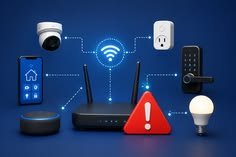
Understanding Smart Devices
Smart devices are a category of electronic devices that leverage connectivity to the internet to enhance their functionality and usability. They come in various forms, including but not limited to smart speakers, smart thermostats, and wearable technology. These devices are equipped with sensors, software, and actuators that enable them to collect data, respond to user commands, and interact with other devices within a typical digital ecosystem.
One prominent example of smart devices is smart speakers, which allow users to perform tasks using voice commands. These speakers, such as Amazon Echo and Google Nest, integrate digital assistants like Alexa or Google Assistant, providing not just music playback but also controlling other smart devices in the home. Users can ask questions, set reminders, or manage their daily schedules, making daily tasks more convenient.
Another essential category is smart thermostats, such as the Nest Learning Thermostat. These devices enable users to control home heating and cooling systems remotely. They learn users’ preferences and schedules over time, optimizing energy consumption to save on utility bills. By adjusting temperatures based on occupancy and habits, smart thermostats contribute to both comfort and energy efficiency.
Wearable technology, including smartwatches and fitness trackers, also represents a crucial segment of smart devices. These gadgets monitor health metrics such as heart rate, sleep patterns, and physical activity. They can sync with smartphones and send notifications, allowing users to stay connected while on the move. The data collected can be invaluable for users looking to improve their health and fitness through informed decisions.
In essence, smart devices serve as foundational components of a digital ecosystem, where various devices communicate and enhance capabilities by sharing information seamlessly. As technology evolves, the role of these devices continues to expand, forming a more interconnected world that promises increased convenience and efficiency in daily life.
The Concept of Digital Ecosystems
Digital ecosystems represent an integrated environment where various technologies converge to enhance user experiences and promote seamless interaction between devices. Unlike traditional ecosystems that typically involve biological organisms interacting with their physical surroundings, digital ecosystems focus on the interconnectedness of smart devices, applications, and platforms, creating a unified digital experience. This synergy is a hallmark of modern technology, enabling smarter and more efficient functionalities.
The core of a digital ecosystem is the collaboration between hardware and software, which works in harmony to deliver comprehensive solutions to users. Smart devices, such as smartphones, smart home appliances, wearables, and other Internet of Things (IoT) devices, interact through networks, cloud services, and applications. These interactions facilitate the collection, analysis, and exchange of data, ultimately creating a responsive environment that adapts to user needs.
One key difference between digital ecosystems and traditional ecosystems lies in the dynamic nature of digital systems. While traditional ecosystems may change slowly over time, digital ecosystems evolve rapidly, driven by advancements in technology, increased connectivity, and individual user preferences. For instance, in a digital ecosystem, a smart thermostat can be programmed not only to respond to changes in temperature but also to gather data from other devices, such as weather forecasts from online services, thereby optimizing energy usage automatically.
This holistic approach fosters improved user experiences through the seamless integration of technology. Users can perform tasks more efficiently, with less friction between devices. Each component of the ecosystem contributes its unique functionality, allowing individuals to interact with a broad range of devices and applications. Thus, understanding digital ecosystems is crucial for grasping the evolving landscape of technology and its implications for everyday life.
Impact on Daily Life
The proliferation of smart devices has significantly altered the fabric of daily life, creating interconnected digital ecosystems that enhance efficiency and convenience. These systems incorporate devices such as smartphones, smart speakers, thermostats, and wearables, allowing for seamless communication and control across various functions. As people increasingly integrate these technologies into their routines, the transformation of everyday activities becomes evident.
One of the most notable impacts of smart devices is the automation of routine tasks. Home appliances equipped with smart technology, such as robotic vacuum cleaners and programmable coffee machines, can perform chores with minimal human intervention. This automation not only saves time but also contributes to a higher quality of life by allowing individuals to focus on more meaningful activities. Similarly, in professional settings, smart devices facilitate more streamlined workflows, enabling teams to collaborate with greater agility and productivity.
Furthermore, enhanced connectivity is another critical aspect of how these digital ecosystems are reshaping daily operations. Smart devices often communicate with each other, creating a cohesive network that simplifies management through centralized applications. For instance, users can control their home’s lighting, temperature, and security from a single mobile interface, providing not only convenience but also improved energy efficiency. As more devices come equipped with connectivity features, the potential for integrated systems increases, further simplifying interactions within both personal and professional environments.
In summary, the rise of smart devices and their integration into everyday life signifies a fundamental shift in how individuals approach daily tasks. The convenience offered through automation, along with enhanced connectivity, illustrates a future where digital ecosystems are pivotal in optimizing both domestic and professional landscapes.
Future Trends in Smart Devices and Ecosystems
The evolution of smart devices and their associated ecosystems continues to unfold at a rapid pace, with significant trends emerging that are likely to shape the future. One of the most notable advancements is the integration of artificial intelligence (AI) and machine learning into these devices. This integration allows smart devices to learn from user interactions and environmental changes, leading to more personalized and efficient experiences. As AI becomes more sophisticated, it can enable devices to predict user needs and streamline functionalities, enhancing overall user satisfaction.
Furthermore, interoperability among smart devices is becoming increasingly critical. Manufacturers are beginning to recognize the necessity of creating ecosystems where devices from different brands can work seamlessly together. This trend not only promotes consumer convenience but also paves the way for more complex smart home environments, where devices communicate with each other to automate daily tasks. The emergence of standardized protocols, such as matter, is expected to play a crucial role in facilitating this interoperability.
However, the rise of smart devices and digital ecosystems does not come without challenges. Privacy and security concerns are paramount issues as more devices become interconnected. With the growing prevalence of data collection through these devices, there is an inherent risk of unauthorized access to personal information. As such, manufacturers must prioritize robust security measures and transparent privacy policies to safeguard user data. Furthermore, ongoing dialogue among stakeholders, including consumers, industry leaders, and regulatory bodies, is essential to establish guidelines that protect privacy while promoting innovation in smart technology.
In conclusion, the future of smart devices and ecosystems is poised for remarkable growth, driven by advancements in AI, a push for interoperability, and an acute awareness of privacy and security implications. As these trends continue to unfold, they will redefine how consumers interact with technology and will lay the groundwork for more cohesive digital environments.

