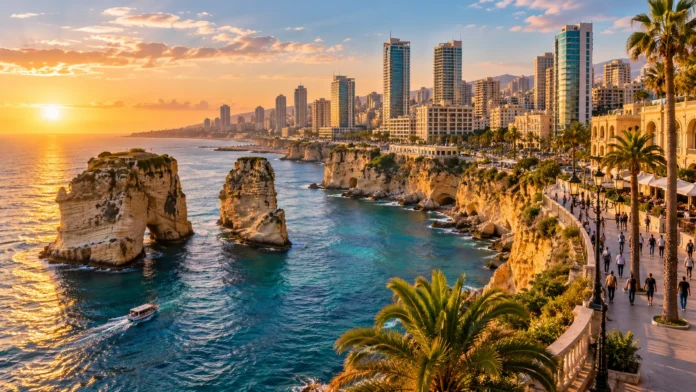
Beirut, the capital of Lebanon, is a fascinating Mediterranean city known for its rich history, diverse culture, impressive architecture, and delicious cuisine. Often described as a meeting point between East and West, Beirut combines ancient landmarks with modern neighborhoods and lively coastal scenery. A well-planned Beirut travel guide can help visitors discover what makes this city distinctive.
From the famous Pigeon Rocks and Beirut Corniche to historical museums and traditional markets, the city offers many interesting places to explore. Visitors can discover different architectural styles, learn about Lebanon’s complicated history, and experience local traditions through food, art, and everyday neighborhood life. Each district has its own atmosphere, making Beirut an interesting destination for cultural exploration.
However, travel conditions in Lebanon can change quickly because of regional security developments, and some areas of Beirut are subject to official travel warnings. Visitors should check current government advice before making plans and avoid travel where authorities advise against it. This guide introduces Beirut’s main attractions, cultural highlights, food experiences, and practical considerations for understanding the city.
Why Visit Beirut, Lebanon?
Beirut is one of the Middle East’s most culturally diverse cities, offering a distinctive combination of Mediterranean scenery and historical significance. Its neighborhoods reflect centuries of influences from different civilizations, including the Phoenicians, Romans, Ottomans, and French. This layered history appears in the city’s architecture, museums, religious landmarks, and traditional streets.
The city is also known for its creative communities, art galleries, restaurants, and cultural institutions. Visitors interested in history can explore archaeological collections, while those who appreciate architecture can discover historic buildings beside contemporary developments. Beirut’s coastal setting adds another dimension, with Mediterranean views providing a striking backdrop to many recognizable landmarks.
Another reason Beirut attracts attention is its food culture and strong traditions of hospitality. Lebanese cuisine features fresh vegetables, grilled dishes, breads, and numerous small plates designed for sharing. Although current security conditions must take priority over tourism plans, the city’s cultural heritage and distinctive character continue to make it an important destination to understand.
Explore the Famous Pigeon Rocks in Raouche
Pigeon Rocks, also known as Raouche Rocks, are among Beirut’s most recognizable natural landmarks. These impressive limestone formations rise from the Mediterranean Sea near the Raouche neighborhood, creating one of the city’s most photographed coastal scenes. The surrounding cliffs and open water provide a dramatic contrast to Beirut’s nearby buildings and busy streets.
The coastal viewpoint offers an opportunity to appreciate the geological formations and observe the changing colors of the Mediterranean. During clear weather, sunlight highlights the pale limestone and blue water, making the area particularly attractive for photography. Visitors should remain on designated public viewing areas and avoid unstable cliff edges or restricted locations.
Raouche is also known for its coastal cafes and restaurants overlooking the sea. These establishments traditionally offer places to enjoy Lebanese food while appreciating the surrounding landscape. When conditions permit visiting, the area can be combined with a walk along nearby coastal sections, although access, safety, and business operations should always be checked beforehand.
Walk Along the Beautiful Beirut Corniche
The Beirut Corniche is a waterfront promenade stretching along sections of the city’s Mediterranean coastline. It has long been associated with walking, jogging, social gatherings, and enjoying sea views. Its coastal setting offers a different perspective from Beirut’s densely built neighborhoods, making it one of the city’s best-known public spaces.
Along the promenade, visitors may encounter local residents exercising, spending time with family, or enjoying the fresh sea air. The nearby coastline features rocky formations, open water, and views toward the surrounding city. Walking routes can offer attractive photography opportunities, especially when the sky is clear and the Mediterranean is relatively calm.
The Corniche also connects visitors with different parts of Beirut’s coastal character, including areas near Raouche. However, specific sections may be affected by local restrictions or changing security conditions. Anyone considering a visit should confirm that their intended route is accessible and consistent with current official safety guidance before heading out.
Discover the National Museum of Beirut
The National Museum of Beirut is an important cultural institution dedicated to preserving Lebanon’s archaeological heritage. Its collections represent different periods of the country’s history, including prehistoric settlements, Phoenician civilization, Roman influence, and later historical eras. The museum provides valuable context for understanding Lebanon’s long relationship with Mediterranean trade and cultural exchange.
Visitors interested in ancient civilizations can learn about archaeological discoveries, historical artifacts, sculptures, and objects connected to everyday life. The exhibitions help explain how Lebanon’s geographic location influenced its development over thousands of years. Exploring these collections can make other historical landmarks throughout Beirut and the surrounding region easier to understand.
The museum is also significant because its history reflects the challenges faced by Beirut during periods of conflict. Conservation and restoration efforts have helped preserve important elements of Lebanon’s cultural identity. Anyone planning to visit should confirm current opening arrangements, exhibition access, and local travel conditions rather than assuming normal operations are always available.
Visit Mohammad Al-Amin Mosque and Downtown Beirut
Mohammad Al-Amin Mosque is one of Beirut’s most prominent architectural landmarks, recognizable for its large blue dome and tall minarets. Located near Martyrs’ Square, the mosque forms an important part of the city’s downtown landscape. Its design incorporates traditional Islamic architectural influences and adds a distinctive feature to Beirut’s central skyline.
Nearby, downtown Beirut contains public squares, religious buildings, historical remains, and architecture representing different periods of urban development. Saint George Maronite Cathedral stands close to the mosque, illustrating the proximity of important religious landmarks within the city. These sites provide opportunities to learn about Beirut’s cultural diversity and architectural history.
When visiting religious landmarks, appropriate clothing and respectful behavior are important. Access to interior spaces may depend on prayer schedules, events, security arrangements, and local rules. Downtown streets and attractions may also have restricted access at certain times, so checking current conditions is essential before planning walking routes or sightseeing activities.
Explore the Sursock Museum and Beirut’s Art Scene
The Sursock Museum is a notable cultural institution located in Beirut’s Ashrafieh district. Housed in a historic mansion, the museum is associated with modern and contemporary art, cultural exhibitions, and Lebanon’s artistic heritage. Its distinctive architecture combines decorative influences that reflect Beirut’s historical connections with different regional and international traditions.
The museum’s exhibitions provide opportunities to discover artists, creative movements, and cultural themes connected to Lebanon and the surrounding region. Its location near the Saint Nicolas Stairs and Gemmayzeh adds architectural interest to the surrounding neighborhood. Visitors interested in art and design may appreciate how the institution connects historical surroundings with contemporary creative expression.
Beirut’s artistic identity extends beyond established museums through galleries, cultural organizations, and independent creative spaces. Exhibitions and opening schedules can change, particularly during periods of disruption. Travelers should verify museum accessibility and current conditions before arranging visits, while recognizing the important role these institutions play in preserving local cultural life.
Discover Gemmayzeh and Mar Mikhael
Gemmayzeh and Mar Mikhael are two Beirut neighborhoods associated with creative communities, historical architecture, and distinctive urban character. Their streets feature traditional buildings, renovated spaces, small businesses, and cultural venues. These districts have long attracted people interested in design, photography, restaurants, and contemporary Lebanese city life.
Gemmayzeh is known for streets lined with historic buildings and connections to nearby cultural landmarks. Mar Mikhael has developed a reputation for independent galleries, design studios, and creative businesses. Both neighborhoods have experienced significant challenges, including damage from the 2020 Beirut port explosion, making restoration and preservation important parts of their recent history.
Exploring these districts can offer insight into Beirut’s changing urban identity and the efforts of local communities to maintain cultural spaces. However, individual establishments may open, relocate, or close depending on economic and security conditions. Visitors should confirm current access and business operations rather than relying exclusively on older travel guides or photographs.
Experience Lebanese Food in Beirut
Lebanese cuisine is one of Beirut’s most celebrated cultural attractions, offering flavorful dishes made with vegetables, herbs, grains, and carefully prepared ingredients. Many traditional meals feature mezze, a collection of small dishes designed for sharing. Popular options include hummus, tabbouleh, fattoush, baba ghanoush, and freshly baked Lebanese bread.
Street food also plays an important role in the city’s culinary identity. Manakish, a flatbread commonly topped with za’atar or cheese, is a familiar breakfast and snack option. Falafel sandwiches, shawarma, and grilled meats are other popular foods, although menus and preparation styles vary between different establishments and neighborhoods.
For dessert, Lebanese bakeries offer traditional sweets such as knefeh, baklava, and maamoul. These treats reflect regional culinary traditions and often feature ingredients including nuts, pastry, cheese, and aromatic flavorings. When trying local food, choose establishments with good hygiene practices and confirm current operating arrangements, particularly during periods of disrupted services.
Explore Hamra Street and Local Shopping Areas
Hamra Street is one of Beirut’s best-known commercial streets, historically associated with shopping, bookstores, cafes, and urban culture. Located in the western part of the city, the area has long served as a center for residents, students, and visitors. Its surroundings also reflect Beirut’s intellectual and social history.
The neighborhood is closely connected with the American University of Beirut, an institution that has influenced the city’s educational and cultural landscape. Streets around Hamra contain a mixture of older buildings, commercial properties, and everyday services. Exploring the district provides insight into ordinary city life beyond Beirut’s major historical monuments.
Shopping opportunities may include clothing stores, local businesses, bookstores, and everyday markets, although availability changes over time. Visitors should be prepared for variable payment arrangements and changing prices because of Lebanon’s economic conditions. It is sensible to confirm current local circumstances, transport options, and security guidance before planning time in the area.
Best Day Trips from Beirut
Beirut’s location along Lebanon’s Mediterranean coast makes it a potential starting point for exploring other historic destinations when travel conditions allow. One well-known destination is Byblos, an ancient coastal city famous for its archaeological heritage and traditional harbor. Its historical significance reflects Lebanon’s long connections with Phoenician civilization and Mediterranean maritime trade.
Jeita Grotto is another major attraction often included in travel itineraries around Beirut. This limestone cave system is known for impressive rock formations and underground geological features. Access depends on operating conditions, weather, and visitor arrangements, so opening information should be confirmed before considering a visit.
Other historically popular excursions include Harissa, known for its hilltop religious landmark and views over the coast, and Baalbek, recognized for its monumental Roman temple complex. However, some destinations and routes are located in areas subject to official travel warnings. Such trips should not be treated as automatically safe or accessible, and current government guidance must determine whether travel is appropriate.
Best Time to Visit Beirut
Beirut has a Mediterranean climate, generally characterized by hot, dry summers and cooler, wetter winters. Spring and autumn are traditionally considered comfortable seasons for outdoor sightseeing because temperatures are often milder than during summer. However, weather conditions vary from year to year, and seasonal averages cannot guarantee pleasant conditions on specific dates.
From approximately March through May, spring weather often brings moderate temperatures and increasing sunshine. September through November can also offer comfortable coastal conditions, although occasional rain becomes more likely later in autumn. Summers may be hot and humid, while winter frequently brings rainfall and cooler temperatures, particularly during unsettled weather.
The best time to visit must also account for safety rather than climate alone. Lebanon’s security situation can change independently of seasonal weather patterns, and official travel restrictions may affect particular neighborhoods or destinations. Before selecting travel dates, review current government warnings, transportation conditions, accommodation availability, and the practical arrangements required for a safe journey.
Essential Beirut Travel Tips for Visitors
Travel planning for Beirut should begin with reviewing current official advice for Lebanon and the specific areas you intend to visit. As of October 2026, the United Kingdom advises against all travel to certain parts of Beirut and other regions, with additional restrictions affecting parts of Lebanon. Security developments can alter these recommendations quickly, making advance verification especially important.
Visitors should also understand that Lebanon uses the Lebanese pound, while US dollars are commonly encountered in commercial transactions. Exchange practices and payment acceptance can vary between establishments, so confirming prices and accepted currencies is important. Arabic is the official language, and English and French are also used in many educational, business, and urban settings.
Transportation options can include licensed taxis, arranged private transfers, and other local services, although availability and routes may be affected by changing conditions. Travelers should verify accommodation arrangements, airport operations, and insurance coverage before departure. Maintaining access to reliable information and following official instructions is more important than attempting to complete a fixed sightseeing itinerary.
Conclusion
Beirut is a city with a remarkable combination of Mediterranean scenery, historical landmarks, cultural institutions, and distinctive neighborhoods. From the limestone formations of Pigeon Rocks to the collections of the National Museum, its attractions reveal different aspects of Lebanon’s identity. The city’s architectural diversity and culinary traditions also contribute to its lasting cultural significance.
Exploring Beirut involves understanding its history as well as appreciating its contemporary communities and creative spaces. Museums, religious landmarks, traditional streets, and local food experiences all provide meaningful ways to learn about the city. However, visitor access and operating conditions can change, making it important to distinguish established attractions from locations that are currently practical to visit.
A thoughtful Beirut travel guide should balance the city’s attractions with realistic information about travel conditions. Anyone considering a trip should check official security advice, confirm local arrangements, and remain flexible about possible changes. When circumstances permit safe travel, Beirut offers opportunities to discover an important Mediterranean city with a rich and complex cultural heritage.
Frequently Asked Questions
What is Beirut famous for?
Beirut is famous for its Mediterranean coastline, Pigeon Rocks, historic architecture, Lebanese cuisine, and cultural institutions. The city is also known for its diverse neighborhoods and significant role in Lebanon’s history.
How many days do you need to explore Beirut?
Three to four days can provide enough time to explore many major landmarks and neighborhoods under normal conditions. The actual duration depends on attraction access, transportation arrangements, and current safety restrictions.
What is the best time of year to visit Beirut?
Spring and autumn traditionally offer comfortable weather for sightseeing in Beirut. However, current travel advisories and security conditions should determine whether a visit is advisable, regardless of the season.
Is Beirut safe for tourists?
Safety conditions vary by location and can change rapidly. As of October 2026, official warnings apply to several areas of Beirut and Lebanon, so travelers should consult current government advice before considering a visit.
What food should you try in Beirut?
Traditional Lebanese foods include hummus, tabbouleh, fattoush, manakish, falafel, and shawarma. Popular desserts include knefeh and baklava, offering visitors a variety of flavors associated with Lebanese culinary traditions.