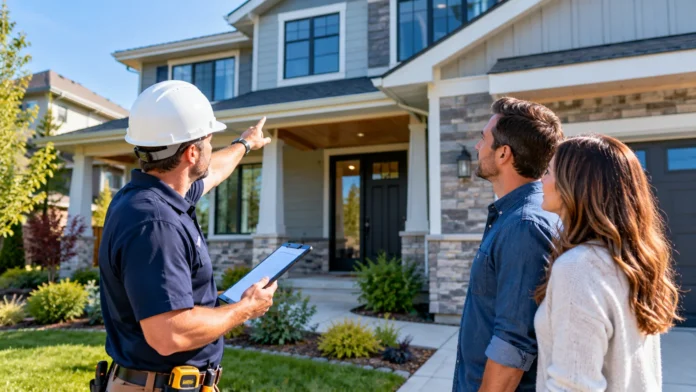
Buying a home is one of the biggest financial decisions many people make, and understanding its condition before purchasing is essential. A professional home inspection helps identify potential problems with the structure, electrical systems, plumbing, roofing, and other important components. However, one question buyers frequently ask is how much a home inspection costs and whether the expense is worthwhile.
The average home inspection cost in the United States generally ranges from $300 to $500 for a standard single-family property. Actual prices depend on the home’s size, age, location, and the services included. Additional inspections for mold, termites, radon, or sewer systems may increase the final amount, depending on the property’s condition and requirements.
Understanding home inspection pricing can help buyers prepare for unexpected expenses during the purchasing process. This guide explains average inspection costs, factors affecting prices, additional service fees, and what professional inspectors typically examine. It also covers practical ways to choose a qualified inspector and make an informed decision about this important service.
What Is a Home Inspection?
A home inspection is a professional visual examination of a property’s accessible structures and major systems. Inspectors assess important components, including the roof, foundation, plumbing, electrical installations, heating, cooling, and interior spaces. The purpose is to identify visible defects, safety concerns, and maintenance issues that may require attention before or after purchasing a property.
Most home inspections take place after a buyer’s offer has been accepted but before the sale is finalized. This allows buyers to understand the property’s condition while relevant contractual inspection provisions remain active. The inspector documents observations in a written report, which may include photographs, descriptions of defects, and recommendations for additional professional evaluation.
A standard inspection does not guarantee that every hidden problem will be discovered. Inspectors generally examine accessible areas without dismantling walls, removing flooring, or performing destructive testing. Understanding these limitations helps buyers appreciate what the inspection provides and why some properties may require additional specialized evaluations.
Average Home Inspection Cost in 2026
The average home inspection cost in 2026 is approximately $344 in the United States, although estimates differ between pricing studies. Most standard residential inspections typically cost around $300 to $500. Smaller properties may fall below this range, while large homes, complicated layouts, and expensive metropolitan markets can result in higher inspection fees.
For a typical single-family home measuring around 2,000 square feet, inspection prices often fall between $300 and $450. A smaller condominium may cost less because the inspector evaluates fewer building components. However, a larger property with multiple heating systems, additional structures, or extensive accessible areas may require more time and higher fees.
These estimates usually cover a general inspection rather than every possible property assessment. Specialized testing, additional buildings, and certain environmental inspections may be charged separately. Buyers should request a detailed written quotation that explains exactly which services are included before scheduling an appointment.
Home Inspection Cost by House Size
Property size is one of the most important factors influencing home inspection prices. Smaller homes generally require less time to evaluate, while larger properties contain more rooms, fixtures, and systems. Many inspectors establish pricing tiers based on square footage, although some also consider complexity and the number of individual components.
Homes smaller than 1,000 square feet may cost approximately $200 to $250 to inspect. Properties measuring 1,000 to 1,500 square feet often range from $225 to $325, while homes between 1,500 and 2,000 square feet may cost roughly $250 to $375. These figures represent general estimates rather than standardized national rates.
For homes measuring 2,000 to 3,000 square feet, inspection fees may range from approximately $275 to $500. Properties larger than 3,000 square feet can cost considerably more, particularly when they feature multiple floors or extensive mechanical systems. Buyers should provide accurate property dimensions when requesting estimates to avoid unexpected pricing adjustments.
Factors That Affect Home Inspection Costs
Several factors influence home inspection costs beyond the property’s square footage. Location plays an important role because labor expenses, business operating costs, and local market conditions vary. Inspections in major metropolitan areas may cost more than similar services in smaller towns, although competition and regional demand can also affect pricing.
The property’s age and overall complexity are additional considerations. Older homes may contain outdated electrical systems, aging plumbing, or previous renovations that require closer examination. Properties with multiple heating systems, detached structures, or difficult-to-access areas may also require additional inspection time.
Inspector experience, professional credentials, and the scope of services can influence the quoted price. Some companies offer general inspections alongside optional services, while others specialize in particular property types. Comparing service descriptions is essential because two inspectors charging similar fees may provide different levels of documentation and assessment.
What Does a Standard Home Inspection Include?
A standard home inspection generally includes a visual assessment of accessible structural components. Inspectors examine foundations, visible framing, exterior walls, roofing materials, and other important features. They look for signs of damage, deterioration, moisture intrusion, and conditions that may require further investigation by qualified specialists.
Plumbing, electrical, heating, and cooling systems are also important parts of the inspection. Inspectors may evaluate accessible fixtures, outlets, electrical panels, water supply components, and installed mechanical equipment. The purpose is to identify visible safety concerns and functional problems rather than perform comprehensive engineering or technical testing.
Interior areas such as walls, ceilings, floors, windows, doors, and accessible attic spaces are typically reviewed. Inspectors may also examine insulation, ventilation, and drainage conditions where accessible. The exact scope depends on the inspection agreement, local standards, property characteristics, and any limitations encountered during the assessment.
What Is Not Included in a Home Inspection?
A general home inspection does not usually include specialized environmental testing or comprehensive examinations of concealed building components. Inspectors cannot reliably identify every issue hidden behind finished walls or beneath flooring. They also do not normally perform destructive testing or guarantee the future performance of the property’s systems.
Services such as radon testing, mold sampling, termite inspections, and sewer camera examinations are often separate from the standard inspection. Swimming pools, septic systems, private wells, and detached buildings may also require additional evaluations. Buyers should confirm these exclusions before assuming that the quoted fee covers every feature of the property.
A home inspection is also different from a property appraisal, municipal code inspection, or structural engineering assessment. Each service serves a distinct purpose and may require different qualifications. Understanding these differences helps buyers determine whether additional professional assessments are appropriate for a particular home.
Additional Home Inspection Services and Costs
Specialized inspection services can increase the total cost when a property requires additional evaluation. Radon testing often costs approximately $100 to $200, while termite inspections may add around $75 to $150. These services address concerns that may not be fully evaluated during a standard visual home inspection.
A sewer scope inspection commonly costs approximately $150 to $300, depending on local conditions and service availability. Mold testing may range from roughly $300 to $700 or more, depending on sampling requirements and laboratory analysis. These prices are approximate, and specialist services can cost substantially more in certain markets.
Additional expenses may also apply to pool inspections, septic system evaluations, private well testing, or structural engineering consultations. Not every property requires all these services. Buyers should discuss visible concerns, property features, local environmental risks, and inspection limitations with qualified professionals before deciding which assessments are necessary.
Who Pays for a Home Inspection?
In many United States residential transactions, the buyer is responsible for arranging and paying for the home inspection. Buyers commonly schedule the assessment after their purchase offer is accepted. This arrangement allows them to select an inspector and receive an independent evaluation before proceeding toward closing.
However, sellers sometimes arrange pre-listing inspections before putting a property on the market. These assessments help identify maintenance problems that might influence the sale. Sellers may choose to address certain issues in advance, although buyers can still arrange their own inspections to obtain independent information about the property’s condition.
Payment arrangements vary depending on the inspector, location, and purchase agreement. Some companies require payment when the appointment is booked, while others collect fees at the inspection or upon report delivery. Buyers should confirm payment terms and understand whether additional inspection services require separate invoices.
How Long Does a Home Inspection Take?
A typical home inspection takes approximately two to four hours for an average-sized residential property. The exact duration depends on the home’s size, age, condition, and number of accessible components. Larger or more complicated buildings may require additional time to assess their systems and structural features.
Inspectors generally move through the property’s exterior, interior, accessible roof areas, and mechanical systems according to their inspection procedures. Additional time may be necessary when significant defects are discovered or access is limited. Some specialized assessments also require separate appointments because they involve different equipment or professional qualifications.
The written inspection report is often delivered within approximately 24 to 48 hours, although turnaround times vary. Some inspectors provide reports on the same day, while others need longer for complex properties. Buyers should confirm the expected delivery schedule, especially when their purchase agreement includes a limited inspection contingency period.
How to Choose a Qualified Home Inspector
Choosing a qualified inspector is just as important as understanding the inspection fee. Look for professionals with relevant experience, suitable training, and any licenses required in your state. Inspectors should clearly explain their services, limitations, and reporting procedures before accepting an appointment.
Requesting a sample inspection report can help you evaluate the quality of their documentation. A useful report should describe observed problems clearly and distinguish significant concerns from ordinary maintenance observations. Photographs, understandable explanations, and recommendations for specialist evaluation can make the findings easier to interpret.
It is also worth comparing customer feedback, insurance coverage, professional credentials, and scheduling availability. The cheapest inspector is not automatically the best choice, particularly when purchasing an older or complicated property. Selecting someone who communicates clearly and follows recognized inspection standards can provide greater value than focusing entirely on price.
How to Prepare for a Home Inspection
Preparing for a home inspection can make the process more efficient and help ensure that important areas remain accessible. Buyers should confirm the appointment time, review the inspection agreement, and discuss any known concerns beforehand. It is useful to identify questions about the roof, foundation, mechanical systems, or previous repairs.
Sellers can support the inspection by making accessible areas available and providing relevant maintenance records when possible. Electrical panels, attic entrances, heating equipment, and other important components should not be obstructed. However, buyers and sellers should avoid attempting unsafe access or repairs without appropriate professional assistance.
Buyers may benefit from attending the inspection if permitted and practical. Speaking directly with the inspector can provide useful context about observed issues and normal maintenance requirements. The final written report should still be reviewed carefully because verbal explanations do not replace documented findings.
How to Understand a Home Inspection Report
A home inspection report summarizes the inspector’s observations and identifies areas that may need repair, maintenance, or further evaluation. Reports often include descriptions, photographs, and explanations of visible defects. Buyers should focus on understanding the significance of each finding rather than assuming every listed issue represents a serious problem.
Some findings may involve routine maintenance, such as worn sealant or minor surface deterioration. Others may indicate concerns involving electrical safety, water intrusion, roofing damage, or structural movement. When a significant issue is identified, a qualified specialist may need to determine its cause, severity, and potential repair cost.
Understanding the report can help buyers make more informed decisions during the property purchase process. Depending on the contract and local practices, buyers may request repairs, negotiate terms, or obtain further evaluations. However, an inspection report is not a guarantee that every issue has been identified or that specific repairs will resolve all concerns.
Is a Home Inspection Worth the Cost?
A home inspection is generally a worthwhile expense because purchasing a property involves substantial financial commitments. A professional assessment can identify visible defects that buyers might overlook during ordinary property viewings. Discovering concerns before closing may help prevent unexpected repair expenses and support more informed purchasing decisions.
For example, identifying roof deterioration, moisture damage, or unsafe electrical conditions can help buyers understand potential maintenance obligations. Repairing major systems may cost considerably more than a standard inspection. However, the inspection itself does not eliminate risk because hidden defects can remain undiscovered even after a thorough visual assessment.
The value of an inspection extends beyond identifying immediate problems. Buyers can also learn about the property’s maintenance needs and the condition of major building components. Spending a few hundred dollars on professional evaluation may provide useful information when making a decision involving a much larger investment.
Conclusion
The average home inspection cost in the United States generally falls between $300 and $500, although prices vary by property and location. Smaller homes may cost less to inspect, while larger or older properties can require higher fees. Specialized services such as radon testing, mold assessments, and sewer inspections may increase the overall expense.
Understanding what a standard home inspection includes can help buyers compare quotations and avoid unexpected charges. Professional inspectors typically evaluate accessible structural components, roofing, plumbing, electrical systems, and other important features. However, additional testing may be necessary when specific concerns require specialized expertise.
A home inspection is an important part of making an informed property purchase. Choosing a qualified inspector, reviewing the report carefully, and understanding the limitations of the service can help buyers identify potential concerns. Although inspections cannot guarantee a problem-free home, they provide valuable information before a major financial commitment.
Frequently Asked Questions
How much does a home inspection cost on average?
A standard home inspection in the United States typically costs between $300 and $500. The exact amount depends on the home’s size, location, age, and any additional services requested.
Who pays for the home inspection when buying a house?
The buyer usually pays for the home inspection in a typical United States residential transaction. However, sellers may arrange and pay for pre-listing inspections before marketing their properties.
How long does a home inspection take?
Most standard home inspections take approximately two to four hours. Larger properties, older homes, or buildings with complicated systems may require additional time for a thorough visual assessment.
Does a home inspection include mold and termite testing?
Standard home inspections generally do not include specialized mold sampling or comprehensive termite evaluations. These services are often available separately and may involve additional fees depending on the property.
Is it worth paying for a home inspection?
Yes, a home inspection can provide valuable information about a property’s condition before purchase. Identifying visible problems early may help buyers understand repair needs, negotiate appropriately, and avoid certain unexpected expenses.