Lapland, Finland, is one of Europe’s most fascinating travel destinations, known for its snow-covered forests, magical winter scenery, Northern Lights, and unique Arctic experiences. Located in northern Finland, this beautiful region attracts travelers looking for peaceful nature, festive attractions, and memorable seasonal adventures. From visiting Santa Claus Village to enjoying traditional Finnish saunas, Lapland offers an incredible combination of natural beauty and cultural experiences.
Planning a trip to Lapland, Finland, provides an opportunity to explore landscapes that change dramatically throughout the year. Winter transforms the region into a snowy wonderland, while summer brings endless daylight, green forests, and beautiful lakes. Visitors can discover charming towns, meet reindeer, enjoy scenic excursions, and experience traditions shaped by life in northern Europe.
Whether you are planning a family holiday, a winter vacation, or a nature-focused adventure, understanding Lapland’s attractions and seasonal conditions can make your trip more enjoyable. Weather, daylight hours, transportation, and available activities vary significantly throughout the year. This Lapland Finland travel guide explores the best things to do and see, popular destinations, ideal travel seasons, and essential planning tips.
Where Is Lapland Located in Finland?
Lapland is located in the northernmost part of Finland, extending toward the borders of Sweden, Norway, and Russia. It is Finland’s largest region by area and is famous for its extensive forests, rivers, lakes, and northern landscapes. Much of Finnish Lapland lies above the Arctic Circle, creating distinctive seasonal conditions.
Rovaniemi serves as the regional capital and an important gateway for international visitors. Other well-known destinations include Levi, Saariselkä, Inari, Ylläs, and the areas surrounding Pyhä-Luosto National Park. Each location offers different attractions, accommodation options, and opportunities to experience the natural beauty of northern Finland.
Lapland is also part of the wider cultural region known as Sápmi, the traditional homeland of the Indigenous Sámi people. This heritage remains an important part of northern Finland’s identity. Visitors can learn about Sámi culture, traditional livelihoods, and the region’s history through appropriate museums and respectful cultural experiences.
Why Is Lapland Finland Worth Visiting?
Lapland offers a travel experience unlike many other European destinations because of its Arctic environment and remarkable seasonal changes. Snow-covered forests, frozen lakes, traditional wooden buildings, and colorful winter skies create memorable scenery. During warmer months, the same landscapes become green and peaceful, offering opportunities for outdoor exploration.
One of Lapland’s greatest attractions is the opportunity to experience natural phenomena such as the Northern Lights and Midnight Sun. These events are connected to the region’s northern latitude and seasonal daylight patterns. Travelers can plan visits around different experiences, making Lapland appealing during both winter and summer.
The region also offers a combination of cultural attractions, nature-based activities, and comfortable accommodation. Visitors can explore local communities, enjoy traditional Finnish food, and learn about northern lifestyles. Whether you prefer relaxed sightseeing or organized excursions, Lapland provides a distinctive destination with activities suited to different interests.
Visit Santa Claus Village in Rovaniemi
Santa Claus Village is one of Lapland’s most recognizable tourist attractions and is located near Rovaniemi on the Arctic Circle. The village attracts families and visitors interested in festive experiences throughout the year. Its wooden buildings, seasonal decorations, and winter atmosphere make it particularly popular during the Christmas holiday period.
Visitors can explore Santa-themed attractions, browse souvenir shops, and experience the symbolic crossing of the Arctic Circle. The village also offers opportunities to meet Santa Claus and discover festive activities. Availability, opening hours, and individual experiences can vary, so checking arrangements before visiting is helpful.
Santa Claus Village is especially atmospheric during winter when snow covers the surrounding buildings and forests. However, it can become busy around Christmas and other popular holiday periods. Booking accommodation and selected activities early may help travelers organize their visit and avoid unnecessary scheduling difficulties.
Experience the Northern Lights in Lapland
The Northern Lights, also called the aurora borealis, are among the most remarkable natural attractions in Finnish Lapland. They occur when charged particles interact with Earth’s magnetic field and atmosphere, producing colorful displays across the night sky. Green lights are common, although other colors may appear under suitable conditions.
The Northern Lights viewing season generally extends from late August to early April, when nights become dark enough for visibility. September, October, February, and March can provide favorable opportunities, although displays depend on solar activity, cloud cover, and darkness. No particular month or excursion can guarantee an aurora sighting.
Visitors should choose suitable viewing locations away from strong artificial lighting and check weather forecasts before making plans. Guided excursions can provide assistance with selecting appropriate observation areas and managing cold-weather conditions. Patience and flexible scheduling are important because natural aurora displays cannot be predicted with complete certainty.
Explore Rovaniemi and Its Attractions
Rovaniemi is the capital of Finnish Lapland and an important starting point for exploring the region. Located close to the Arctic Circle, the city combines modern facilities with easy access to forests and seasonal attractions. Its transportation connections, restaurants, and accommodation options make it convenient for first-time visitors.
Beyond Santa Claus Village, travelers can explore cultural attractions such as Arktikum, which introduces visitors to Arctic nature and northern history. The city also features river scenery, local shops, and opportunities to discover Finnish architecture. Museums and exhibitions can be particularly appealing during very cold winter days.
Rovaniemi provides access to organized nature experiences and nearby outdoor destinations. Travelers can enjoy selected forest excursions, winter scenery, and opportunities to learn about local traditions. Planning several days in the area allows visitors to explore its main attractions without rushing between activities.
Discover Levi and Its Beautiful Mountain Scenery
Levi is a well-known resort destination in Finnish Lapland, located near the village of Sirkka in the municipality of Kittilä. It is surrounded by beautiful northern landscapes and offers a variety of seasonal tourism facilities. Visitors are attracted by the area’s winter scenery, accommodation choices, and mountain atmosphere.
During winter, Levi is particularly popular for its ski resort facilities and snowy landscapes. Travelers who prefer relaxed activities can enjoy scenic views, local restaurants, and comfortable resort accommodation. Winter services and activity availability depend on snow conditions, seasonal operations, and individual providers.
Levi also attracts visitors during summer and autumn, when the surrounding forests and hills provide different scenery. Long daylight hours and seasonal colors make the landscape appealing for photography and nature appreciation. Choosing the right season allows travelers to experience the destination according to their preferred weather and activities.
Visit Saariselkä and Northern Finland’s Wilderness
Saariselkä is a popular destination in northern Finnish Lapland, known for its peaceful atmosphere and access to extensive natural landscapes. Located near Urho Kekkonen National Park, the area attracts travelers interested in Arctic scenery and nature-based tourism. Its smaller resort setting offers an alternative to busier urban destinations.
Winter visitors can enjoy snow-covered forests, scenic viewpoints, and organized experiences designed around the region’s seasonal conditions. The area is also known for accommodation that emphasizes views of the surrounding wilderness. Travelers should consider local weather and transportation arrangements when planning excursions outside the main resort area.
During warmer months, Saariselkä provides opportunities to appreciate northern landscapes without deep winter snow. The region’s natural beauty changes with the seasons, offering greenery in summer and colorful foliage during autumn. Responsible sightseeing and respect for protected environments help preserve the area’s distinctive character.
Explore Inari and Learn About Sámi Culture
Inari is an important cultural destination in northern Finland and offers opportunities to learn about the Indigenous Sámi people. The area is known for its lakes, forests, and strong connections to northern traditions. Visitors interested in history and culture may find Inari particularly rewarding.
The Sámi Museum Siida provides exhibitions about Sámi culture, history, and the northern environment. It offers an educational introduction to the region’s Indigenous heritage and relationship with Arctic nature. Museums and cultural institutions can help travelers develop a more informed understanding of local communities.
Visitors should approach Sámi culture with respect and recognize that traditions remain part of living communities rather than historical displays alone. Choosing authentic cultural experiences and following local guidance supports responsible tourism. Inari also provides beautiful natural scenery, making it appealing for travelers interested in both culture and landscapes.
See Reindeer in Finnish Lapland
Reindeer are closely associated with Lapland’s landscapes and cultural history. They are especially important within traditional Sámi livelihoods and northern communities. Visitors may encounter reindeer-related attractions and educational experiences that explain their role in the region’s history and everyday life.
Some established visitor experiences provide opportunities to observe reindeer and learn about their care, seasonal behavior, and significance to local communities. The availability of these activities varies by destination and time of year. Travelers should select responsible providers that prioritize appropriate animal care and respectful cultural interpretation.
Reindeer may also be seen in natural environments, particularly in less-developed areas. Visitors should observe them from a suitable distance and avoid feeding, chasing, or disturbing the animals. Respecting wildlife and local guidance helps protect both animals and travelers while exploring northern Finland.
Experience Traditional Finnish Sauna Culture
Saunas are an important part of Finnish culture and provide a relaxing experience after a day of sightseeing. Many hotels, cabins, and holiday properties in Lapland include access to sauna facilities. The tradition is associated with relaxation, cleanliness, and spending quiet time in a warm environment.
Visitors may encounter different sauna styles, including electrically heated and traditional wood-heated facilities. Practices vary between public saunas, private accommodations, and organized experiences. Understanding basic etiquette, following posted instructions, and respecting other guests can make the experience more comfortable.
Sauna use should be approached according to individual comfort and health needs, particularly when temperatures are high. Take breaks when necessary and follow facility guidance. The experience can be a memorable introduction to Finnish traditions without requiring visitors to participate in activities that feel uncomfortable.
Stay in a Glass Igloo or Arctic Cabin
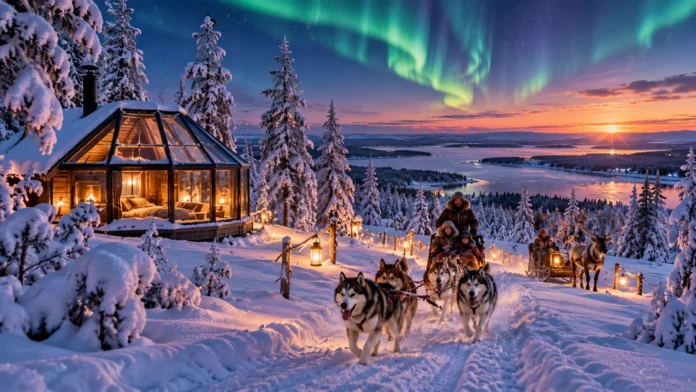
Unique accommodation is one of the features that makes a Lapland holiday memorable. Some destinations offer glass-roofed cabins, panoramic suites, and other properties designed to showcase northern landscapes. These accommodations are especially popular among travelers hoping to observe the night sky from a warm indoor setting.
Glass-roofed properties may provide views of snowy forests and, under suitable conditions, the Northern Lights. However, staying in an igloo-style cabin does not guarantee an aurora sighting. Weather, artificial lighting, room orientation, and natural solar activity all influence the viewing experience.
Travelers should compare accommodation locations, facilities, privacy, and cancellation policies before booking. Some properties are located outside major towns and may require additional transportation arrangements. Choosing accommodation based on the overall experience rather than aurora expectations alone can help create a more satisfying stay.
Enjoy Lapland’s Beautiful Winter Landscapes
Winter transforms Finnish Lapland into a landscape of snow-covered trees, frozen waterways, and softly illuminated northern skies. The region’s forests and open scenery create appealing opportunities for photography and relaxed sightseeing. Visitors can experience a distinctive winter atmosphere even without participating in demanding outdoor activities.
Popular winter experiences include scenic excursions, guided nature visits, and exploring designated areas around established resort destinations. Some travelers simply enjoy the quiet surroundings and changing daylight conditions. Selecting activities appropriate for the weather and personal comfort helps make winter sightseeing more enjoyable.
Outdoor conditions can change quickly because of low temperatures, snowfall, and reduced daylight. Travelers should rely on appropriate local guidance when visiting unfamiliar natural areas. Comfortable clothing, suitable transportation, and realistic schedules are especially important when exploring Lapland during its coldest months.
Discover the Midnight Sun in Summer
The Midnight Sun is a natural phenomenon that occurs when the sun remains above the horizon throughout the night. In northern parts of Finnish Lapland, this creates extended periods of continuous daylight during summer. The exact duration depends on latitude, with areas farther north experiencing longer periods without sunset.
Summer visitors can enjoy bright evening skies, green forests, and beautiful lake scenery. The unusual daylight conditions create opportunities for photography and relaxed outdoor activities at times normally associated with darkness. However, local weather can still include rain, cooler temperatures, and changing conditions.
Travelers unfamiliar with continuous daylight may find it useful to choose accommodation with blackout curtains or bring a comfortable sleep mask. Maintaining a regular sleep schedule can help support rest during the trip. Experiencing the Midnight Sun offers a completely different perspective on Lapland compared with its snowy winter season.
Visit Lapland During Autumn for Colorful Scenery
Autumn in Finnish Lapland is known for beautiful seasonal colors that transform forests, hillsides, and northern landscapes. This period is sometimes called ruska, referring to the colorful autumn foliage. Shades of yellow, orange, and red create attractive scenery across many natural areas.
September is particularly popular for travelers interested in autumn photography and peaceful nature experiences. Depending on the weather and location, seasonal colors may appear earlier in northern or higher-elevation areas. Autumn also brings darker nights, creating opportunities for Northern Lights viewing when atmospheric conditions cooperate.
Temperatures gradually fall as the season progresses, and early snowfall is possible in some northern locations. Visitors should prepare for changing weather and reduced daylight later in autumn. Selecting suitable clothing and reviewing local conditions helps make seasonal sightseeing more comfortable.
What Is the Best Time to Visit Lapland Finland?
The best time to visit Lapland depends on the experiences you want to prioritize. December through March is popular for snowy scenery, festive attractions, and winter holidays. However, winter conditions vary by month and location, so travelers should not assume that every destination has identical snowfall or daylight patterns.
September through early April offers opportunities to observe the Northern Lights under suitable conditions. Summer, particularly June and July, appeals to visitors interested in the Midnight Sun and greener landscapes. Autumn provides a combination of seasonal colors and increasingly dark evenings.
Travel costs and visitor numbers also change throughout the year. Christmas and major winter holiday periods can be especially busy, while some shoulder-season dates may offer greater accommodation flexibility. Choosing travel dates based on weather, activities, and budget helps create a more rewarding Lapland vacation.
How Cold Does Lapland Get in Winter?
Lapland experiences cold winters, with temperatures frequently dropping well below freezing. Conditions vary by location, elevation, and weather patterns, but temperatures around minus 10°C to minus 20°C are common during colder periods. Some locations can experience considerably lower temperatures during severe cold spells.
Wind and humidity can influence how cold the weather feels, particularly during outdoor sightseeing. Short daylight hours in midwinter can also affect daily travel plans. Visitors should prepare for winter conditions rather than relying entirely on weather averages when selecting clothing and activities.
Appropriate winter clothing is essential for comfort in low temperatures. Warm base layers, insulated outerwear, gloves, hats, and winter footwear are useful for everyday outdoor activities. Travelers should follow local weather warnings and avoid prolonged exposure when conditions become dangerously cold.
How to Travel to Lapland Finland
Lapland can be reached by air, rail, and road, depending on the starting point and selected destination. Rovaniemi, Kittilä, and Ivalo are among the airports serving northern Finland. Flight connections may operate through Helsinki or selected international locations, with availability varying by season.
Train travel is another option for visitors who want to reach Rovaniemi from southern Finland. Overnight rail services can provide an alternative to flying, depending on schedules and availability. Travelers should compare journey times, luggage arrangements, and onward transportation before choosing a route.
Some Lapland resorts and smaller communities require additional transfers from airports or railway stations. Prearranged transportation may be helpful, especially during winter. Checking current schedules and allowing sufficient connection time can reduce unnecessary travel complications.
How to Get Around Finnish Lapland
Transportation in Lapland depends heavily on the destinations included in your itinerary. Rovaniemi offers local transportation and organized excursions, while smaller resort areas may rely more on transfers and selected regional services. Distances between attractions can be substantial, making advance planning useful.
Travelers can consider public buses, airport transfers, suitable taxi services, and organized sightseeing transportation. Some visitors choose rental vehicles for greater flexibility, although winter driving conditions require appropriate experience and preparation. Snow, ice, and limited daylight can create challenges on unfamiliar northern roads.
A practical itinerary should account for transportation time rather than assuming attractions are close together. Confirm operating schedules and pickup arrangements before booking excursions. Visitors who prefer not to drive in winter can select accommodation with convenient access to organized activities and local services.
What to Pack for a Lapland Winter Trip
Packing carefully is essential when visiting Lapland during winter because temperatures can fall significantly below freezing. Warm clothing should include thermal base layers, insulating mid-layers, and protective outerwear. Suitable winter boots, gloves, hats, and additional warm accessories help maintain comfort during ordinary outdoor sightseeing.
Layered clothing allows travelers to adjust their warmth when moving between heated indoor spaces and cold outdoor environments. Moisture-managing base layers and appropriate winter footwear can improve comfort. Avoid relying only on one heavy coat because suitable insulation throughout the outfit is important during cold conditions.
Visitors should also consider practical items such as lip protection, moisturizer, and devices suitable for cold-weather use. Batteries may lose charge more quickly in freezing temperatures, making preparation helpful for photography and communication. Check whether organized activity providers supply specialized winter clothing before purchasing unnecessary equipment.
What to Pack for a Summer Lapland Trip
Summer in Lapland offers milder conditions, but weather can remain unpredictable. Visitors should pack comfortable clothing suitable for both pleasant afternoons and cooler evenings. Lightweight layers, a waterproof jacket, and suitable walking shoes can accommodate many everyday sightseeing situations.
Insects, including mosquitoes, can be present in forested and wetland areas during warmer months. Suitable insect repellent and protective clothing may improve comfort when spending time outdoors. The level of insect activity varies according to location, weather, and seasonal conditions.
Travelers planning to experience the Midnight Sun may appreciate a sleep mask because natural darkness can be limited. Sun protection and reusable water bottles are also useful for sightseeing. Packing versatile clothing helps manage changing conditions without carrying excessive luggage.
How Much Does a Trip to Lapland Cost?
Lapland can be a relatively expensive travel destination, particularly during the Christmas season and popular winter holiday periods. Accommodation, transportation, guided experiences, and dining may account for a substantial portion of the total budget. Prices vary by destination, booking date, and type of travel experience.
Glass-roofed accommodation, specialized excursions, and luxury resorts can increase overall costs. Travelers seeking more affordable options may consider standard hotels, guesthouses, or accommodation outside the busiest periods. Comparing travel dates and booking arrangements early can help identify suitable choices.
A realistic budget should include flights or trains, airport transfers, accommodation, meals, activities, and suitable clothing if needed. Unexpected weather-related changes may also affect travel arrangements. Prioritizing the experiences that matter most can help travelers control spending while enjoying Lapland’s distinctive atmosphere.
Plan a Five-Day Lapland Finland Itinerary
A five-day itinerary can provide a memorable introduction to Finnish Lapland without requiring frequent changes of accommodation. Rovaniemi is a practical starting point because it offers established tourism facilities and access to several popular attractions. Visitors should organize activities around seasonal availability and transportation arrangements.
During the first two days, explore Rovaniemi and visit Santa Claus Village. The following days can include cultural attractions, scenic excursions, and opportunities to experience local traditions. Reserving an evening for Northern Lights viewing may be worthwhile during the aurora season, although visibility cannot be guaranteed.
The final day can focus on relaxed sightseeing, shopping, or visiting attractions that were missed earlier. Keep the schedule flexible because weather and daylight conditions may affect planned activities. A manageable itinerary often provides a more enjoyable experience than attempting to explore several distant Lapland resorts in only a few days.
Is Lapland Finland Good for Family Vacations?
Lapland is a popular family destination because of its festive attractions, scenic environments, and seasonal experiences. Santa Claus Village is especially appealing to families visiting Rovaniemi, while museums and cultural attractions provide additional options. Different destinations offer activities suited to varying ages and interests.
Families traveling during winter should carefully consider temperatures, daylight hours, and the practical needs of children. Warm clothing, regular indoor breaks, and flexible schedules help keep sightseeing comfortable. Choosing accommodation near important attractions can also reduce unnecessary transportation time.
Summer provides another appealing option for family travel, with longer daylight hours and generally milder weather. Families can explore cultural attractions, enjoy scenic areas, and appreciate nature at a relaxed pace. Selecting age-appropriate experiences and allowing time for rest helps make the vacation enjoyable for everyone.
Practical Travel Tips for First-Time Visitors
First-time visitors should begin by deciding whether they want a winter holiday, Northern Lights trip, or summer nature experience. These priorities influence travel dates, accommodation choices, and available activities. Selecting one main destination can simplify transportation and provide enough time to enjoy local attractions.
Book popular winter accommodation and selected attractions early, particularly when traveling around Christmas. Review seasonal opening hours, transportation schedules, and weather forecasts before departure. Travelers should also verify passport and entry requirements based on nationality and intended travel dates.
Respect local communities, wildlife, and protected natural areas throughout your visit. Choose established tourism providers and follow relevant safety guidance for seasonal conditions. Thoughtful preparation helps travelers appreciate Lapland’s beautiful scenery, cultural heritage, and unique Arctic atmosphere without unnecessary complications.
Conclusion
Lapland, Finland, is a remarkable destination offering beautiful Arctic landscapes, memorable seasonal attractions, and opportunities to experience northern European culture. From Santa Claus Village in Rovaniemi to the peaceful scenery of Saariselkä and Inari, the region provides different experiences throughout the year. Its natural phenomena, especially the Northern Lights and Midnight Sun, make Lapland particularly distinctive.
The best time to visit depends on whether you prefer snowy winter scenery, autumn colors, or endless summer daylight. Winter offers festive experiences and cold-weather landscapes, while summer reveals green forests and beautiful lakes. Understanding seasonal differences, transportation connections, and local weather helps travelers create a practical itinerary.
Whether you are planning a family holiday, a scenic getaway, or your first journey to northern Finland, Lapland offers memorable experiences worth exploring. Choose suitable destinations, prepare for changing conditions, and allow time to appreciate the surroundings. With thoughtful planning, a Lapland vacation can become an unforgettable opportunity to discover one of Europe’s most beautiful northern regions.
FAQs
What is Lapland Finland famous for?
Lapland is famous for the Northern Lights, Santa Claus Village, snowy forests, reindeer, and beautiful Arctic scenery. The region also offers distinctive cultural experiences and the Midnight Sun during summer.
What is the best month to visit Lapland Finland?
December is popular for festive winter experiences, while February and March offer snowy scenery and longer daylight. September can be attractive for autumn colors and Northern Lights viewing.
Can you see the Northern Lights in Lapland?
Yes, the Northern Lights may be visible from late August through early April when skies are dark and clear. Sightings depend on solar activity, weather conditions, and light pollution.
How many days do you need in Lapland Finland?
Four to six days can provide a good introduction to one main Lapland destination. Longer trips may be useful for exploring multiple resort areas or combining cultural and nature experiences.
Is Lapland Finland expensive to visit?
Lapland can be expensive during peak winter holidays, especially for accommodation and guided experiences. Comparing travel dates, booking early, and prioritizing activities can help manage the overall budget.