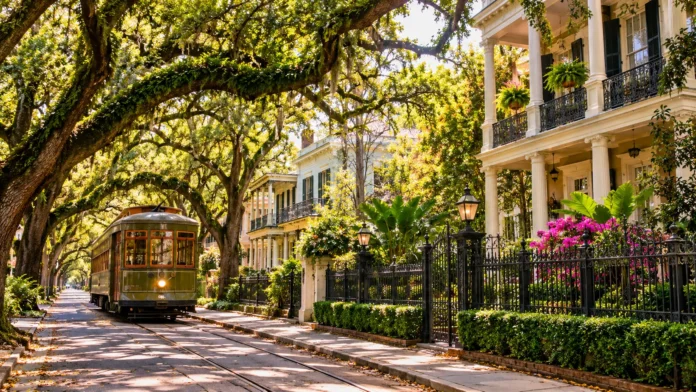
The Garden District in New Orleans is one of the city’s most beautiful and historically significant neighborhoods. Known for its grand mansions, oak-lined streets, elegant gardens, and Southern architecture, this charming area offers a completely different experience from the lively French Quarter. Visitors can enjoy peaceful walks, admire historic homes, explore local shops, and discover fascinating stories about New Orleans.
Located in the Uptown area of Louisiana’s famous cultural capital, the Garden District New Orleans neighborhood attracts travelers interested in architecture, history, photography, and authentic local experiences. Its well-preserved nineteenth-century buildings, decorative iron fences, and lush greenery create a distinctive atmosphere. The neighborhood also provides convenient access to Magazine Street, historic landmarks, and traditional New Orleans restaurants.
Whether you are visiting New Orleans for the first time or exploring beyond its most famous attractions, the Garden District deserves a place on your itinerary. Understanding its history, major sights, transportation options, and practical travel considerations can make your experience more enjoyable. This guide covers the best things to do in the Garden District, interesting places to see, and helpful tips for planning your visit.
What Is the Garden District in New Orleans?
The Garden District is a historic residential neighborhood in New Orleans, Louisiana, celebrated for its impressive nineteenth-century homes and distinctive architectural character. The area developed during the 1800s as wealthy residents established large properties outside the older French Quarter. Many of these houses remain standing today, surrounded by mature trees, decorative fences, and carefully maintained gardens.
Unlike the French Quarter, which is famous for its narrow streets and historic Creole architecture, the Garden District features spacious properties and grand residential designs. Greek Revival and Italianate architectural influences appear throughout the neighborhood, alongside other nineteenth-century styles. These buildings provide visitors with an opportunity to appreciate the city’s architectural development and the craftsmanship associated with its historic homes.
The Garden District is also part of a larger Uptown area that includes shopping streets, restaurants, and cultural attractions. Its peaceful residential character makes it especially appealing to travelers who enjoy exploring neighborhoods on foot. However, most historic houses remain private residences, so visitors should admire their architecture from public sidewalks unless a property specifically offers authorized access.
Best Things to Do in the Garden District
One of the best things to do in the Garden District is take a leisurely walking tour through its historic residential streets. The neighborhood features impressive mansions, decorative ironwork, shaded sidewalks, and mature oak trees. Walking allows visitors to appreciate architectural details that are easily missed when traveling by vehicle, making it a rewarding activity for photography and history enthusiasts.
Another popular activity is exploring nearby Magazine Street, where independent boutiques, cafes, antique shops, and local businesses create a welcoming atmosphere. Visitors can browse specialty stores, enjoy a casual meal, or discover handmade products from local designers. The street stretches through several New Orleans neighborhoods, offering more shopping and dining opportunities than a single afternoon may allow.
Travelers interested in history can also learn about Lafayette Cemetery No. 1 and the neighborhood’s nineteenth-century development. The cemetery has restricted general public access, with authorized guided tours introduced in October 2026. Combining historic architecture, local shopping, and cultural experiences provides a balanced introduction to the Garden District without requiring an overly complicated itinerary.
Explore the Historic Garden District Mansions
The historic mansions are among the most recognizable attractions in the Garden District. Many homes feature tall columns, wide verandas, decorative balconies, and landscaped gardens that reflect architectural preferences from the nineteenth century. Walking along streets such as Prytania, First, and Coliseum offers opportunities to observe these distinctive properties and appreciate their historical character.
One notable example is the Buckner Mansion, a large nineteenth-century residence recognized for its imposing columns and classical architectural features. The property has also attracted attention because of its appearance in television productions. Although visitors may recognize the building from popular entertainment, it remains important to respect property boundaries and avoid entering private grounds without permission.
The neighborhood contains many other impressive historic residences, each contributing to the area’s architectural identity. Some feature elaborate cast-iron fences, while others emphasize symmetrical facades, decorative shutters, or expansive porches. Rather than focusing exclusively on famous properties, visitors can enjoy the overall streetscape, where architecture and greenery combine to create the neighborhood’s distinctive appearance.
Visit Lafayette Cemetery No. 1
Lafayette Cemetery No. 1 is one of the Garden District’s most historically significant landmarks. Established in 1833, the cemetery reflects New Orleans’ traditional above-ground burial practices and contains family tombs, historic monuments, and distinctive funerary architecture. Its history provides insight into the communities that lived in the surrounding neighborhood during the nineteenth century.
The cemetery’s above-ground tombs are associated with local burial traditions shaped partly by environmental conditions and cultural customs. Historic markers and monuments reflect the lives of generations of New Orleans residents. Visitors interested in architecture and local history may appreciate learning how burial practices developed and how cemetery preservation contributes to the city’s heritage.
As of October 2026, Lafayette Cemetery No. 1 remains closed to unrestricted public entry, but authorized guided historical tours have begun through the Preservation Resource Center. Visitors should arrange access through the approved tour program rather than attempting to enter independently. Respectful behavior is essential because the cemetery remains an important burial ground and cultural landmark.
Ride the Historic St. Charles Streetcar
Riding the St. Charles streetcar is one of the most memorable ways to experience the Garden District and surrounding Uptown neighborhoods. The historic green streetcars travel along St. Charles Avenue, passing oak-lined sections and impressive residential architecture. The journey offers a relaxed perspective on New Orleans and connects visitors with several important areas of the city.
The streetcar is particularly convenient for travelers staying near downtown New Orleans or the French Quarter. Visitors can board near Canal Street and travel toward the Garden District before continuing farther into Uptown. Stops near Washington Avenue, Jackson Avenue, and Louisiana Avenue provide access to different sections of the neighborhood and nearby attractions.
The Regional Transit Authority operates the streetcar service, although routes and schedules may change because of construction or special events. As of October 2026, sections of the St. Charles route have experienced infrastructure improvements and related service adjustments. Travelers should check current schedules, accessibility arrangements, and any replacement bus services before relying on the streetcar for transportation.
Discover Shopping and Dining on Magazine Street
Magazine Street is one of the best-known shopping and dining corridors in New Orleans, stretching through several neighborhoods, including areas near the Garden District. The street features a mixture of independent boutiques, antique shops, bookstores, galleries, and restaurants. Its varied businesses create an inviting environment for visitors who enjoy exploring local establishments rather than large shopping centers.
Shoppers can discover clothing, decorative items, vintage furniture, artwork, and locally inspired gifts along different sections of the street. Many stores occupy historic commercial buildings that reflect the city’s architectural character. Because Magazine Street covers a considerable distance, focusing on a particular section can make the experience more comfortable and prevent unnecessary walking between widely separated shops.
Dining options include casual cafes, bakeries, neighborhood restaurants, and establishments serving traditional Louisiana cuisine. Visitors can explore dishes such as gumbo, po’boys, and other regional specialties. Restaurant hours and availability vary, so checking current information can help travelers plan meals around sightseeing activities and avoid arriving when a preferred establishment is closed.
Explore the Garden District Architecture and Gardens
Architecture is one of the main reasons travelers visit the Garden District, and the neighborhood offers an impressive collection of historical building styles. Greek Revival mansions, Italianate residences, and traditional Southern homes appear along its residential streets. Decorative columns, intricate ironwork, tall windows, and broad porches provide visual details that reflect different architectural influences.
The gardens surrounding these homes are equally important to the neighborhood’s identity. Mature live oak trees, flowering plants, hedges, and landscaped yards contribute to the area’s green appearance. During suitable seasons, visitors may notice colorful flowers and lush vegetation that complement the elegant buildings, creating attractive surroundings for walking and photography.
Garden District landscaping also reflects the subtropical climate of southern Louisiana, where warm temperatures and seasonal rainfall support abundant vegetation. However, most residential gardens are privately owned and are not open for public exploration. Visitors should enjoy visible landscaping from public spaces, avoid blocking residential entrances, and respect the everyday privacy of people living in the neighborhood.
Best Walking Tours of the Garden District
A guided walking tour is a useful option for visitors who want to understand the Garden District’s history rather than simply admire its architecture. Knowledgeable guides can explain how the neighborhood developed, identify different architectural styles, and describe important cultural changes. These tours often include stories about historic homes, notable residents, and the surrounding community.
Self-guided walking tours are another option for travelers who prefer exploring at their own pace. A route around Washington Avenue, Prytania Street, and nearby residential blocks can introduce visitors to many recognizable features of the neighborhood. Allowing time for photographs and short breaks makes the experience more enjoyable, especially during warm or humid weather.
When selecting a guided tour, review its route, duration, accessibility, and included attractions. Not every tour provides entry into private buildings or restricted historic sites, and cemetery access requires appropriate authorization. Choosing a reputable operator and understanding what the experience includes helps visitors develop realistic expectations before beginning their Garden District exploration.
Best Time to Visit the Garden District
Spring is traditionally one of the most appealing seasons to explore the Garden District because temperatures are often comfortable and gardens become especially attractive. From approximately March through May, visitors may experience pleasant walking conditions, flowering plants, and lively outdoor surroundings. However, rainfall and occasional warmer days remain possible during this period.
Autumn also offers favorable opportunities for sightseeing as the intense summer heat gradually becomes less persistent. September can remain hot and humid, while October and November often bring more comfortable conditions. Travelers planning autumn visits should remain aware that Atlantic hurricane season officially continues through November, making weather forecasts important when arranging travel.
Summer in New Orleans can be extremely hot and humid, which may make extended walking tours uncomfortable during the middle of the day. Winter usually brings milder temperatures than many northern destinations, although cold spells and rain can occur. Regardless of season, comfortable footwear, drinking water, and checking local forecasts are helpful for enjoying outdoor sightseeing.
How to Get to the Garden District
The Garden District is located southwest of downtown New Orleans and is accessible through several transportation options. The St. Charles streetcar is a popular choice because it connects the neighborhood with downtown areas and provides scenic views along the journey. Travelers can also use local buses, taxis, or rideshare services depending on their location and preferences.
Visitors staying near the French Quarter often find the streetcar convenient because boarding locations are available near the downtown end of St. Charles Avenue. Walking between attractions is practical once inside the neighborhood, although distances may feel longer during hot weather. Public transportation can reduce the need to arrange parking in residential streets.
Driving is another option, but parking availability varies and visitors must follow posted restrictions. Some streets have limited spaces, and blocking driveways or residential access creates unnecessary problems. For travelers who plan to spend most of their time walking, arriving by public transportation or a suitable drop-off service may provide a more convenient experience.
Essential Garden District Travel Tips
Comfortable walking shoes are important when exploring the Garden District because sightseeing involves residential sidewalks, street crossings, and uneven surfaces in some locations. Lightweight clothing is useful during warmer months, while a compact rain jacket can help with unexpected showers. Carrying drinking water is particularly important during New Orleans’ humid summer weather.
Visitors should remember that the Garden District is primarily a residential neighborhood rather than an outdoor museum. Many attractive buildings are private homes, and residents deserve privacy even when their properties are popular photography subjects. Stay on public sidewalks, avoid entering private driveways or gardens, and follow restrictions around historic landmarks and cemetery grounds.
Planning a flexible itinerary can make the visit more enjoyable. Set aside time for walking, architectural photography, browsing Magazine Street, and enjoying a meal without rushing between locations. Before leaving, check transportation updates, weather conditions, and any required tour reservations to ensure your plans reflect current visitor arrangements.
Conclusion
The Garden District New Orleans neighborhood offers a memorable combination of historic architecture, beautiful gardens, charming residential streets, and local cultural experiences. Visitors can explore impressive nineteenth-century mansions, discover the history of Lafayette Cemetery No. 1, and enjoy the atmosphere of nearby Magazine Street. Its distinctive character provides a quieter contrast to the city’s busier entertainment districts.
Exploring the neighborhood is particularly rewarding for travelers interested in architecture, photography, history, and local culture. Walking tours and the historic St. Charles streetcar offer convenient ways to experience the area, while nearby cafes and shops provide opportunities to relax. Choosing comfortable weather and planning around transportation schedules can make sightseeing more enjoyable.
Whether you spend a few hours exploring historic streets or include the Garden District in a longer New Orleans itinerary, the neighborhood offers plenty to appreciate. Respecting private properties, checking current attraction access, and allowing time to wander thoughtfully will improve your experience. With its elegant surroundings and fascinating history, the Garden District remains one of New Orleans’ most distinctive places to explore.
Frequently Asked Questions
Is the Garden District in New Orleans worth visiting?
Yes, the Garden District is worth visiting for its historic mansions, beautiful streets, decorative gardens, and distinctive architecture. It offers a quieter sightseeing experience compared with the French Quarter.
How long does it take to explore the Garden District?
Most visitors can explore the main Garden District streets in two to three hours. Allow additional time for guided tours, shopping along Magazine Street, photography, and dining at nearby restaurants.
Can you walk around the Garden District for free?
Yes, visitors can walk along the Garden District’s public streets and admire historic homes without paying admission. Guided tours and certain attractions may have separate charges or access requirements.
Is Lafayette Cemetery No. 1 open to visitors?
As of October 2026, Lafayette Cemetery No. 1 is not open for unrestricted public entry. Visitors can arrange authorized guided tours through the Preservation Resource Center’s approved program.
How do you get from the French Quarter to the Garden District?
The St. Charles streetcar is a popular transportation option from downtown near the French Quarter. Taxis and rideshare services are alternatives, while current streetcar schedules should be checked for changes.