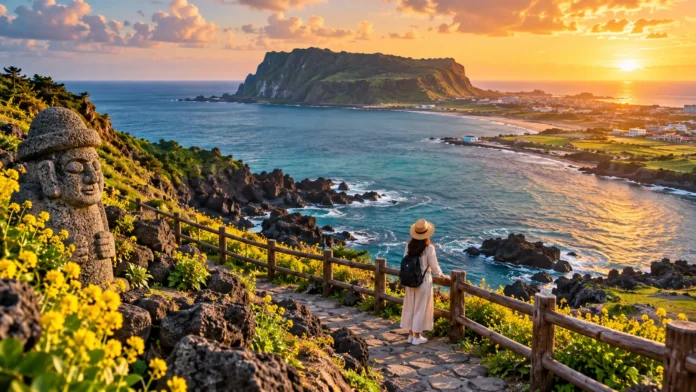
Jeju Island is one of South Korea’s most beautiful travel destinations, famous for its volcanic landscapes, stunning beaches, scenic waterfalls, and peaceful countryside. Located off the southern coast of the Korean Peninsula, this remarkable island attracts travelers who enjoy nature, outdoor adventures, and unique cultural experiences. Its combination of dramatic mountains, charming villages, and turquoise coastal waters makes it a wonderful holiday destination.
This Jeju Island travel guide explores the best things to do and see, from the breathtaking summit of Hallasan Mountain to the beautiful shores of Hyeopjae Beach. Visitors can discover volcanic craters, explore scenic coastal trails, learn about traditional island culture, and enjoy delicious local cuisine. Every part of Jeju offers something different for travelers seeking memorable experiences.
Whether you are planning a relaxing beach vacation, a romantic getaway, or a nature-filled adventure, Jeju Island provides numerous attractions worth exploring. Understanding the island’s main destinations, transportation options, and seasonal weather can make planning much easier. This guide covers everything you need to know before discovering the natural beauty of South Korea’s famous island.
1. Explore Hallasan National Park – Jeju’s Highest Mountain
Hallasan National Park is one of Jeju Island’s most remarkable natural attractions, centered around Hallasan Mountain, the highest mountain in South Korea. This volcanic mountain rises approximately 1,947 meters above sea level and dominates the island’s landscape. Its forests, mountain trails, and changing seasonal scenery attract nature lovers, photographers, and hiking enthusiasts throughout the year.
The national park offers several hiking routes with different distances and difficulty levels. Some trails lead through forests and volcanic landscapes, while designated summit routes provide access toward the mountain’s crater area. Visitors should select routes according to their experience, check weather conditions, and confirm whether reservations or temporary access restrictions apply.
Hallasan is especially beautiful during spring and autumn when colorful vegetation transforms the mountain scenery. Winter brings snow-covered landscapes, while summer highlights the surrounding green forests. Travelers who prefer less demanding activities can enjoy shorter established trails and scenic viewpoints without attempting a full summit hike.
2. Visit Seongsan Ilchulbong – The Famous Sunrise Peak
Seongsan Ilchulbong, commonly known as Sunrise Peak, is one of Jeju Island’s most recognizable natural landmarks. This impressive volcanic tuff cone rises dramatically above the eastern coastline and forms part of Jeju’s UNESCO World Heritage landscape. Its distinctive crater, green slopes, and coastal views create an unforgettable setting for sightseeing.
Visitors can follow a designated stairway route toward the upper viewing area, where panoramic views reveal the surrounding ocean and countryside. The climb involves numerous steps, making comfortable footwear and suitable weather conditions important. Travelers who prefer a more relaxed experience can explore nearby viewpoints and appreciate the impressive volcanic formation from below.
Sunrise Peak is particularly famous for its early morning scenery, although the surrounding landscape remains beautiful throughout the day. The nearby Seongsan area also offers restaurants, cafés, and coastal attractions. Combining Seongsan Ilchulbong with other eastern Jeju destinations makes it a rewarding stop during an island sightseeing itinerary.
3. Discover Jeongbang Waterfall – A Beautiful Coastal Attraction
Jeongbang Waterfall is one of Jeju Island’s most famous waterfalls, located near the southern city of Seogwipo. The waterfall is especially remarkable because its water descends from a high cliff toward the rocky coastline. Its dramatic setting, lush surroundings, and proximity to the sea make it a popular destination for photography and sightseeing.
Visitors can follow designated steps and walking paths leading toward the waterfall’s viewing area. The sound of falling water, coastal breezes, and impressive rock formations create a memorable natural atmosphere. Because the route includes stairs and uneven surfaces, travelers should wear comfortable shoes and exercise caution when exploring the rocky surroundings.
Jeongbang Waterfall is conveniently located near several other attractions in the Seogwipo region. Travelers can combine their visit with coastal viewpoints, local markets, and nearby cultural sites. Water flow and accessibility may vary according to weather conditions, so checking local information before visiting can help ensure a comfortable experience.
4. Relax at Hyeopjae Beach – One of Jeju’s Best Beaches
Hyeopjae Beach is among the most beautiful beaches on Jeju Island, located along the island’s western coastline. It is famous for its pale sand, clear turquoise water, and impressive views of nearby Biyangdo Island. The attractive coastal scenery makes it a favorite location for families, couples, photographers, and travelers seeking seaside relaxation.
The beach offers opportunities for walking along the shoreline, enjoying the scenery, and swimming during suitable conditions. Nearby restaurants, cafés, and visitor facilities make the surrounding area convenient for spending several hours. The shallow-looking coastal waters and contrasting volcanic rocks also create beautiful photography opportunities throughout the day.
Hyeopjae Beach is particularly enjoyable during warm weather when visitors can appreciate its inviting coastal environment. However, water conditions, tides, and weather should always be considered before swimming. Travelers can also explore nearby Geumneung Beach and other attractions along Jeju’s scenic western coastline.
5. Visit Udo Island – A Scenic Island Escape
Udo Island is a small island situated off Jeju’s eastern coastline, known for its peaceful countryside, beautiful beaches, and picturesque coastal roads. Its name is associated with its resemblance to a reclining cow. The island provides a relaxing escape from busier tourist areas while offering beautiful scenery and interesting local experiences.
Visitors commonly reach Udo by ferry from the Seongsan area, with the crossing generally taking around fifteen minutes. Once there, travelers can explore attractions such as Hagosudong Beach, Geommeolle Beach, and Udobong Peak. Walking, cycling, and using permitted local transportation options allow visitors to discover different parts of the island.
Udo is also famous for its peanut-based snacks, coastal cafés, and panoramic sea views. Visitors should check ferry schedules because operations may change during unfavorable weather. Vehicle access restrictions can also apply, so understanding local transportation regulations before arrival helps make a day trip more convenient and enjoyable.
6. Explore Manjanggul Lava Tube – Jeju’s Volcanic History
Manjanggul Lava Tube is one of Jeju Island’s most significant volcanic formations and an important part of its geological heritage. The underground lava passage developed through volcanic activity thousands of years ago. Its unusual rock formations and extensive underground structure provide an interesting example of how flowing lava can shape the landscape.
The lava tube is known for geological features such as lava formations, unusual rock textures, and an impressive lava column. When visitor sections are officially open, designated walkways allow people to observe parts of this underground environment. However, access can be restricted for conservation, maintenance, or safety reasons.
Travelers interested in Jeju’s volcanic history should confirm the current opening status before planning a visit to Manjanggul. Even when entry is unavailable, other volcanic attractions across Jeju provide opportunities to learn about the island’s geological origins. Guided educational experiences and nearby natural landmarks can offer valuable alternatives.
7. Discover Cheonjiyeon Waterfall – A Peaceful Natural Retreat
Cheonjiyeon Waterfall is a beautiful natural attraction located near Seogwipo on Jeju Island’s southern coast. Surrounded by lush vegetation and rocky landscapes, the waterfall descends into a scenic pool below. Its peaceful atmosphere and convenient walking paths make it appealing to travelers who enjoy nature without undertaking demanding mountain hikes.
Visitors can follow a well-established pathway through attractive greenery toward the waterfall viewing area. The surrounding landscape provides opportunities for photography, quiet walks, and observing the island’s natural environment. The sound of flowing water and the shaded setting create a relaxing contrast to Jeju’s more energetic tourist attractions.
Cheonjiyeon Waterfall is especially convenient for travelers staying in the Seogwipo area. Its location allows visitors to combine the experience with nearby markets, parks, and coastal destinations. Seasonal rainfall can influence the waterfall’s appearance, but the surrounding vegetation and scenic walking environment remain attractive throughout much of the year.
8. Experience Seopjikoji – Stunning Coastal Landscapes
Seopjikoji is a scenic coastal destination on the eastern side of Jeju Island, famous for its dramatic cliffs, green grasslands, and beautiful ocean views. The area offers a peaceful natural environment with walking routes overlooking the coastline. Its picturesque setting attracts photographers, nature lovers, and visitors exploring eastern Jeju.
The coastal paths provide opportunities to admire the blue sea, volcanic rock formations, and distant views of Seongsan Ilchulbong. Seasonal flowers and changing grassland colors add variety to the landscape throughout the year. Visitors can also enjoy views toward a distinctive lighthouse while exploring designated walking areas along the coast.
Seopjikoji is particularly appealing during pleasant spring and autumn weather when coastal walking conditions are comfortable. Strong winds can occur because of its exposed location, making suitable clothing useful. Combining Seopjikoji with Sunrise Peak and nearby coastal attractions creates an enjoyable sightseeing route around eastern Jeju.
9. Visit Jusangjeolli Cliff – Unique Volcanic Rock Formations
Jusangjeolli Cliff is one of Jeju Island’s most impressive geological attractions, located along the southern coastline near Jungmun. The site is famous for its remarkable columns of dark volcanic rock formed as lava cooled and contracted. These striking formations create a distinctive coastal landscape unlike ordinary seaside cliffs.
Visitors can observe the formations from designated viewing platforms overlooking the ocean. Waves crashing against the geometric rock columns create dramatic scenery, particularly when sea conditions are active. The combination of dark volcanic stone, blue water, and surrounding greenery makes Jusangjeolli a popular location for landscape photography.
The attraction provides an opportunity to understand Jeju’s volcanic origins while enjoying its beautiful coastline. Travelers should remain within designated viewing areas because coastal cliffs and powerful waves can present hazards. Jusangjeolli can also be combined with other attractions in the Jungmun region for a convenient day of sightseeing.
10. Explore Jeju Folk Village – Traditional Island Culture
Jeju Folk Village offers visitors an opportunity to learn about the island’s traditional architecture, lifestyles, and cultural heritage. The attraction features reconstructed and preserved-style buildings representing aspects of historical Jeju communities. Its traditional houses, stone walls, and cultural displays provide insight into how island residents lived before modern development.
Visitors can explore houses, agricultural exhibits, household objects, and displays illustrating regional customs. The village also introduces traditional construction methods that were adapted to Jeju’s windy climate and volcanic landscape. Cultural demonstrations and educational activities may be available depending on the season and operating schedule.
Jeju Folk Village is particularly interesting for travelers who want to understand the island beyond its beaches and natural attractions. Exploring traditional architecture provides context for Jeju’s unique identity within South Korea. Families and students may especially appreciate the opportunity to connect historical knowledge with visual and interactive cultural experiences.
11. Discover Dongmun Traditional Market – Local Food and Shopping
Dongmun Traditional Market is one of the most popular shopping and food destinations in Jeju City. The bustling marketplace features local produce, seafood, snacks, traditional products, and souvenirs. Its lively atmosphere provides an enjoyable introduction to everyday island culture and regional culinary traditions.
Visitors can explore food stalls offering Jeju specialties, including seafood dishes, black pork products, and tangerine-based treats. The market also sells fresh fruits, local ingredients, and packaged products suitable for gifts. Walking through the different sections allows travelers to experience the sights, aromas, and energy of a traditional Korean market.
Dongmun Market is a convenient destination for travelers staying near Jeju City or preparing to leave the island. Evening visits can be particularly lively when food vendors attract local residents and tourists. Exploring the market respectfully and supporting independent businesses can make the experience both enjoyable and meaningful.
12. Walk the Jeju Olle Trails – Beautiful Coastal Hiking Routes
The Jeju Olle Trails are a network of walking routes connecting coastal villages, countryside landscapes, forests, and scenic viewpoints around the island. These established paths allow travelers to discover Jeju at a slower pace while appreciating its natural and cultural diversity. Different routes offer varying distances, terrain, and levels of difficulty.
Some trails follow beautiful coastal roads and rocky shorelines, while others pass through peaceful farming communities and wooded landscapes. Walkers may encounter traditional stone walls, small fishing villages, and impressive ocean scenery along the way. Choosing shorter sections is a practical option for visitors who want to enjoy the experience without completing an entire route.
The Jeju Olle Trails are especially rewarding during comfortable spring and autumn weather. Travelers should check route conditions, follow official markers, and prepare appropriate footwear and drinking water. Respecting private property, avoiding litter, and staying on designated paths help protect the landscapes and communities along these beautiful walking routes.
13. Experience Jeju’s Traditional Haenyeo Culture
Jeju Island is famous for its haenyeo, traditionally women divers who collect marine products while practicing skills passed down through generations. Their cultural traditions represent an important part of the island’s history and relationship with the sea. Haenyeo culture is recognized internationally for its distinctive practices, community knowledge, and cultural significance.
Visitors can learn about this heritage at the Haenyeo Museum and through appropriate local cultural experiences. Museum exhibits explore diving traditions, equipment, community relationships, and the daily lives of Jeju’s women divers. These educational experiences provide valuable insight into a cultural identity closely connected with the island’s coastal environment.
Respecting working divers and local fishing communities is essential when observing haenyeo traditions. Visitors should avoid interrupting their activities or entering restricted working areas. Learning about their history through museums and community-supported programs offers a meaningful way to appreciate Jeju’s cultural heritage without interfering with traditional livelihoods.
14. Enjoy Jeju’s Famous Local Food and Cuisine
Jeju Island has a distinctive food culture influenced by its coastal geography, agricultural traditions, and local ingredients. Seafood, black pork, tangerines, and regional vegetables feature prominently in many traditional dishes. Exploring local restaurants and markets allows travelers to experience flavors that reflect the island’s environment and culinary heritage.
One of Jeju’s most recognizable specialties is black pork, commonly served grilled with vegetables and traditional Korean side dishes. Other popular foods include seafood soups, abalone dishes, and regional noodle preparations. Visitors can also enjoy desserts, juices, and snacks featuring Jeju’s famous citrus fruits.
Trying local cuisine is an enjoyable way to connect with Jeju’s traditions while supporting local businesses. Travelers with dietary restrictions should check ingredients because some Korean dishes contain seafood, fermented products, or other common allergens. Exploring a variety of restaurants and markets can make food an important highlight of the trip.
Best Time to Visit Jeju Island
The best time to visit Jeju Island depends on the weather, activities, and scenery you want to experience. Spring, particularly April and May, is popular because of mild temperatures, colorful flowers, and pleasant sightseeing conditions. The island becomes especially attractive when blossoms and green landscapes brighten its countryside and coastal areas.
Autumn, usually from September through November, is another excellent period for visiting Jeju. Cooler temperatures and attractive natural scenery make outdoor exploration particularly enjoyable. However, early autumn can still experience heavy rainfall or tropical weather systems, so checking forecasts remains important when organizing hiking and coastal activities.
Summer brings warm weather and opportunities for beach activities, although humidity and seasonal rainfall can affect travel plans. Winter is generally quieter, with cooler conditions and occasional snowfall in mountainous regions. Travelers should choose their season according to preferred experiences rather than expecting identical weather across the entire island.
How to Get Around Jeju Island
Transportation planning is important because Jeju Island’s attractions are spread across several different regions. Public buses connect Jeju City, Seogwipo, and numerous popular destinations, although some routes require transfers or longer travel times. Understanding bus schedules and attraction locations can help visitors organize more efficient sightseeing days.
Renting a car is another common option for travelers who meet local driving eligibility and licensing requirements. Driving can provide greater flexibility when visiting remote viewpoints, coastal villages, and attractions outside major urban areas. However, travelers should consider rental regulations, parking availability, road conditions, and whether they are comfortable driving in an unfamiliar destination.
Organized sightseeing tours and local transportation services provide alternatives for visitors who prefer not to drive. Tours may combine several major attractions within one day, reducing the need to coordinate individual journeys. Staying in Jeju City or Seogwipo can also provide a convenient base, depending on which parts of the island you plan to explore.
Essential Travel Tips for First-Time Jeju Visitors
Planning your itinerary around different regions can help reduce unnecessary travel time. Jeju City provides convenient access to the airport and northern attractions, while Seogwipo is well positioned for many southern coastal destinations. Travelers interested in Sunrise Peak and Udo may find it useful to dedicate additional time to eastern Jeju.
Weather conditions can change quickly, particularly around mountains and exposed coastal areas. Comfortable walking shoes, layered clothing, sun protection, and a lightweight waterproof jacket can be useful throughout the year. Visitors should also check opening hours, reservation requirements, and temporary attraction closures before beginning each sightseeing day.
Respecting the island’s natural environment and cultural traditions is another important part of responsible travel. Stay on established trails, avoid disturbing wildlife, and follow rules at protected volcanic landscapes. Learning basic Korean phrases and using reliable navigation tools can also make communication and transportation easier during your Jeju Island holiday.
Conclusion
Jeju Island is a remarkable destination that combines volcanic mountains, beautiful beaches, stunning waterfalls, and fascinating cultural traditions. From the dramatic landscapes of Hallasan National Park to the peaceful coastal scenery of Udo Island, every region offers memorable experiences. Its diverse attractions make it appealing to nature lovers, families, photographers, and cultural travelers.
This Jeju Island travel guide highlights some of the best things to do and see while exploring South Korea’s famous island. Whether you enjoy hiking scenic trails, discovering traditional markets, or relaxing beside the sea, Jeju offers numerous opportunities. Planning your itinerary around regional attractions and seasonal conditions can help make your journey more comfortable.
A memorable trip to Jeju involves appreciating both its natural beauty and distinctive cultural heritage. Exploring volcanic landmarks, experiencing local cuisine, and respecting traditional communities can create a deeper connection with the destination. With thoughtful preparation and a flexible travel plan, Jeju Island can become one of the most rewarding places to visit in South Korea.
Frequently Asked Questions (FAQs)
1. What are the best things to do in Jeju Island?
The best things to do in Jeju Island include visiting Hallasan National Park, exploring Seongsan Ilchulbong, relaxing at Hyeopjae Beach, discovering Udo Island, and enjoying the beautiful waterfalls near Seogwipo.
2. How many days are enough to explore Jeju Island?
Three to five days are generally enough to explore several major Jeju attractions. A longer stay allows visitors to enjoy additional hiking trails, cultural experiences, beaches, and quieter coastal destinations.
3. What is the best month to visit Jeju Island?
April, May, October, and November are popular months because of pleasant temperatures and attractive seasonal scenery. Spring offers colorful flowers, while autumn provides comfortable conditions for hiking and exploring natural attractions.
4. Is Jeju Island expensive for tourists?
Travel costs depend on accommodation, transportation, dining choices, and activities. Budget-conscious visitors can reduce expenses by using public buses, choosing affordable guesthouses, and exploring free beaches, markets, and scenic viewpoints.
5. Can you explore Jeju Island without renting a car?
Yes, visitors can explore Jeju Island using public buses, taxis, and organized sightseeing tours. However, reaching remote attractions may require additional travel time, so planning routes and accommodation locations carefully is helpful.